

1 kW Portable Power Stations: Reliable Backup Power for Your Home
January 19, 2026
In the modern world, especially in Ukraine where frequent power outages have become a reality, portable power stations with 1 kW (1000 W) capacity are an ideal solution for backup power. These devices, also known as portable power stations or high-capacity power banks, allow you to power household appliances such as routers, lighting, gas boilers, refrigerators, or gadget charging, even without a centralized grid. With battery capacities typically ranging from 800 to 1000 Wh and higher, they combine compactness, fast charging (including from solar panels), and pure sine wave output for safe operation of sensitive equipment. In this article, we will review key features, advantages, popular models, and tips for choosing a 1 kW power station.
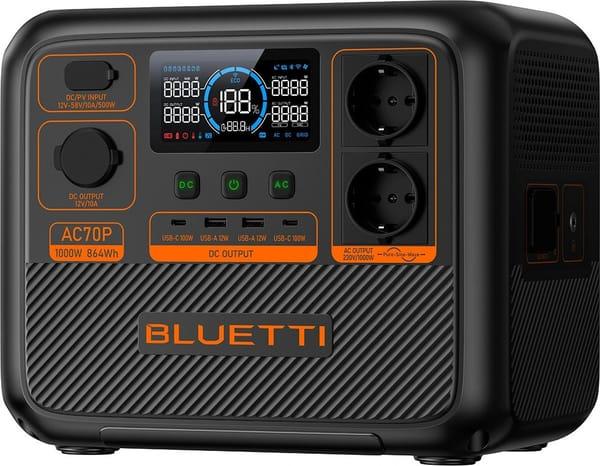
1. BLUETTI AC70P
The BLUETTI AC70P power station is equipped with a lithium iron phosphate (LiFePO4) battery with a capacity of 864 Wh. It has a rated power of 1000 W with the ability to handle short-term peak loads up to 2000 W. The device outputs a pure sine wave, allowing connection of sensitive equipment without risk of damage.
The station supports fast charging from the grid or solar panels and features a built-in UPS (uninterruptible power supply) function for automatic switching during power outages. For convenience, it includes a display and Bluetooth control capability. The weight is approximately 10.7 kg, making it suitable for carrying.
Key Features and Specifications
LiFePO4 battery with 864 Wh capacity
Rated power 1000 W, peak 2000 W
Output: pure sine wave
Ports: 2 × AC 230 V outlets, 2 × USB Type-C (100 W each), 2 × USB Type-A (12 W each), DC ports, car outlet
Fast grid charging — in 1.5 hours
Solar panel support
UPS function
Bluetooth control and display
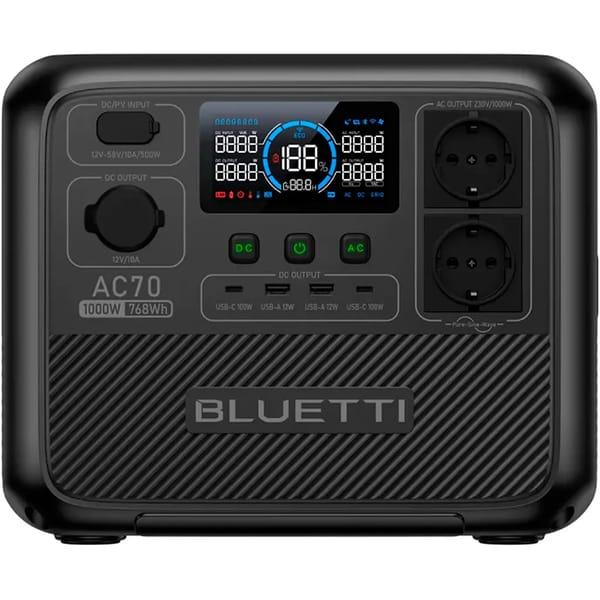
2. BLUETTI AC70
The BLUETTI AC70 power station uses a LiFePO4 battery with 768 Wh capacity rated for over 3000 charge cycles. Rated power is 1000 W, with a peak of up to 2000 W. Output signal is a pure sine wave.
The device features multiple ports for simultaneous powering of various gadgets and appliances. It can be charged from the grid at up to 950 W or from solar panels up to 500 W. It includes a UPS function to protect against power interruptions.
Key Features and Specifications
LiFePO4 battery with 768 Wh capacity
Rated power 1000 W, peak 2000 W
Output: pure sine wave
Ports: 2 × AC 230 V outlets, 2 × USB Type-C (100 W each), 2 × USB Type-A (12 W each), 120 W car outlet
Grid charging — in 1.3–1.6 hours
Solar panel support up to 500 W
UPS function
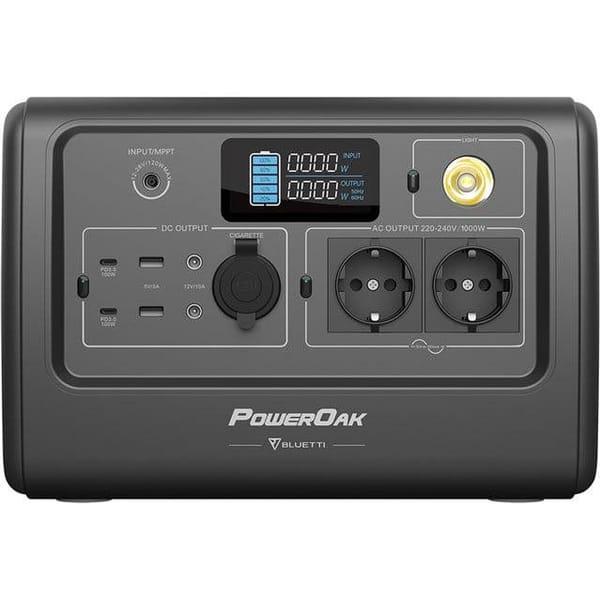
3. BLUETTI PowerOak EB70
The BLUETTI PowerOak EB70 features a LiFePO4 battery with 716 Wh capacity and up to 2500 charge cycles. The inverter provides 1000 W of power. The device is compact, weighs 9.7 kg, and includes a built-in carrying handle.
The station offers various ports for connection, including wireless charging. It is suitable for travel or as backup power. Its dimensions allow for easy transportation.
Key Features and Specifications
LiFePO4 battery with 716 Wh capacity
Inverter power 1000 W
Ports: AC 230 V outlets, USB Type-C, USB Type-A, DC, car outlet, 15 W wireless charging
Up to 2500 charge cycles
Weight 9.7 kg
Dimensions 32 × 21.6 × 22.1 cm
Convenient carrying handle
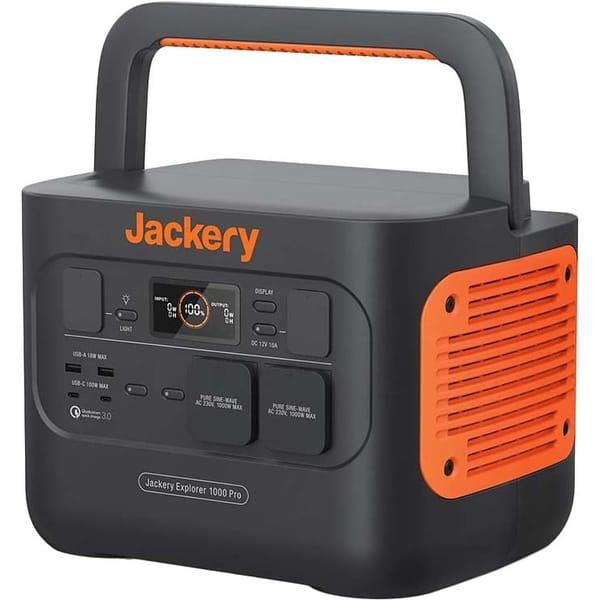
4. Jackery Explorer 1000 PRO
The Jackery Explorer 1000 PRO has an NMC-type battery with 1002 Wh capacity. It delivers a rated power of 1000 W, with peak loads up to 2000 W. The output is a pure sine wave, suitable for various devices.
The device is equipped with multiple ports for simultaneous use. Charging is possible from the grid, car outlet, or solar panels. It features a display for monitoring operating status.
Key Features and Specifications
NMC battery with 1002 Wh capacity
Rated power 1000 W, peak 2000 W
Output: pure sine wave
Ports: 2 × AC 230 V outlets, 2 × USB Type-C (up to 100 W), 2 × USB Type-A (18 W with QC 3.0), 120 W car outlet
Grid charging — in 1.8 hours
Solar panel support up to 200 W
Over 1000 charge cycles
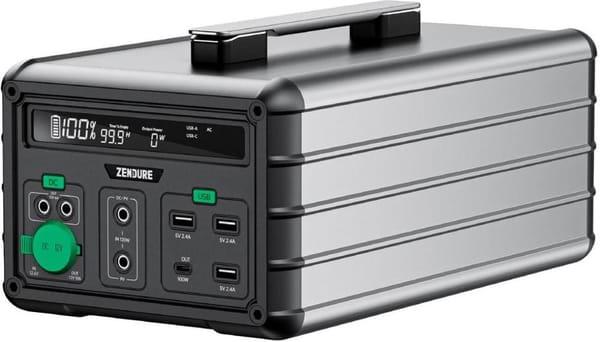
5. Zendure SuperBase 1016Wh 1000W
The Zendure SuperBase features a Li-ion battery with 1016 Wh capacity. Rated power is 1000 W, peak 1500 W. Output waveform is pure sine wave.
The station offers various ports for connecting equipment and gadgets. It can be charged from the grid, car outlet, or solar panels. The body includes a display and built-in flashlight.
Key Features and Specifications
Li-ion battery with 1016 Wh capacity
Rated power 1000 W, peak 1500 W
Output: pure sine wave
Ports: 2 × AC 230 V outlets, 1 × USB Type-C (up to 100 W), 3 × USB Type-A (up to 12 W), 2 × DC 120 W, car outlet up to 126 W
Solar panel support up to 200 W
Car outlet charging — in 10 hours
Display and built-in flashlight
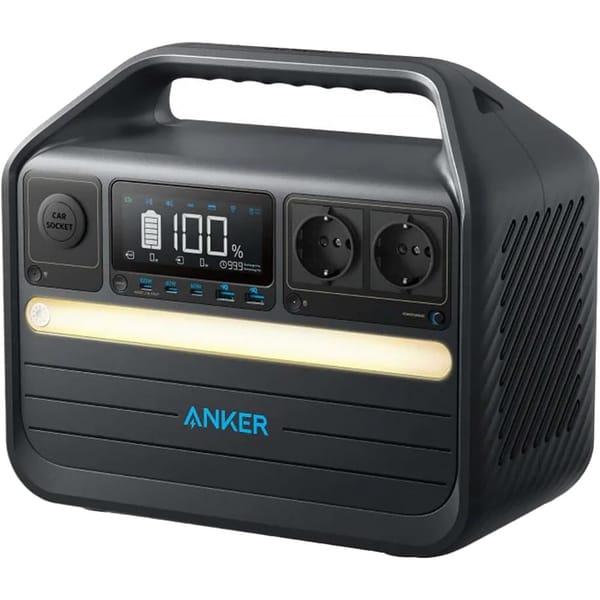
6. Anker 555 PowerHouse
The Anker 555 PowerHouse is equipped with a LiFePO4 battery with 1024 Wh capacity. Power output is 1000 W. Output signal is pure sine wave.
The device has ports for powering multiple devices simultaneously, including fast charging. It features UPS functionality, a display, and a flashlight. Charging is possible from the grid or solar panels.
Key Features and Specifications
LiFePO4 battery with 1024 Wh capacity
Power 1000 W
Output: pure sine wave
Ports: 2 × AC 230 V outlets, 3 × USB Type-C (100 W and 60 W), 2 × USB Type-A (12 W), 120 W car outlet
Grid charging — in 5 hours
Solar panel support
UPS function
Up to 3000 charge cycles
Display and flashlight
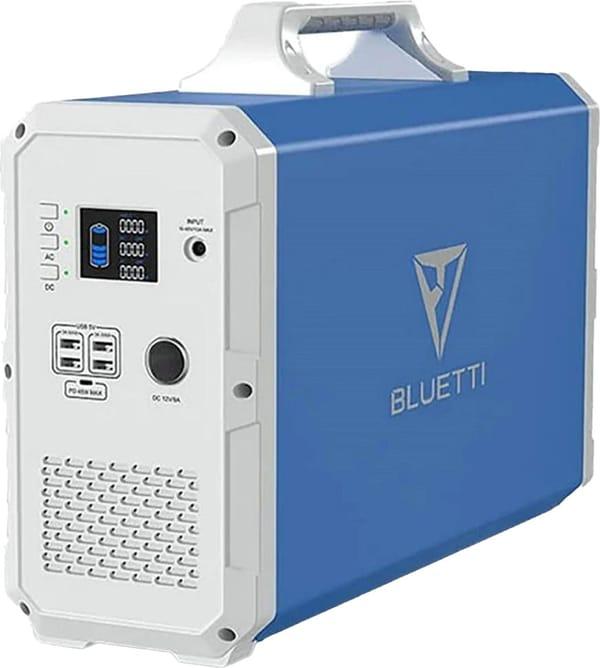
7. BLUETTI PowerOak EB240
The BLUETTI PowerOak EB240 has a lithium-ion battery with 2400 Wh capacity. It provides a rated power of 1000 W. Output signal is pure sine wave.
The device is equipped with multiple ports for connecting gadgets and appliances. Charging is possible from the grid or solar panels up to 400 W. The battery is rated for over 2500 cycles.
Key Features and Specifications
Lithium-ion battery with 2400 Wh capacity
Rated power 1000 W
Output: pure sine wave
Ports: 2 × AC 230 V outlets, 1 × USB Type-C (45 W with PD), 4 × USB Type-A, car outlet
Grid charging — about 12.5 hours
Solar panel support up to 400 W
Over 2500 charge cycles
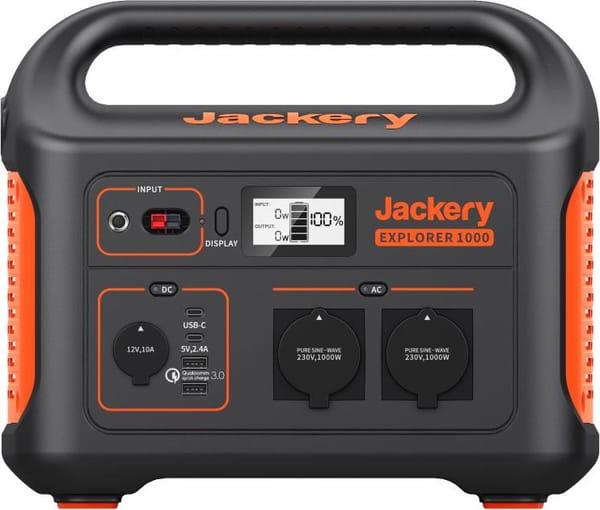
8. Jackery Explorer 1000EU
The Jackery Explorer 1000EU uses an NMC-type Li-ion battery with 1002 Wh capacity. Rated power is 1000 W, peak up to 2000 W. Output signal is pure sine wave.
The station has various ports for simultaneous device powering. It includes a display for status monitoring. Charging is possible from the grid, car outlet, or solar panels.
Key Features and Specifications
Li-ion NMC battery with 1002 Wh capacity
Rated power 1000 W, peak 2000 W
Output: pure sine wave
Ports: 2 × AC 230 V outlets, 2 × USB Type-C, 2 × USB Type-A (up to 18 W with QC 3.0), 120 W car outlet
Grid charging — 7.5 hours
Solar panel support up to 100 W
Up to 1000 charge cycles
Monitoring display
How to Choose a 1 kW Power Station
The right choice of a portable 1 kW power station depends on your actual needs, the type of equipment you plan to power, and the operating conditions. There’s no need to immediately buy the most expensive model with maximum capacity - very often a much simpler and cheaper option is enough, one that perfectly covers exactly your tasks. Here are the main criteria that are really worth paying attention to before purchasing.
Purpose and required capacity: determine exactly which devices you will connect and how many hours they need to run without grid power; multiply the total power in watts by the hours of autonomy - this will give you the approximate required capacity in Wh (for 4–8 hours, 700–1000 Wh is usually enough; for longer runtime, better to go from 1500 Wh and up)
Battery type: LiFePO4 - significantly more durable (2000–3000+ cycles), safer, barely heats up and holds capacity much better over time; Li-ion (NMC) - cheaper, but only 800–1500 cycles lifespan and noticeable degradation already after 2–3 years
Output power and waveform: 1000 W continuous is standard, but peak/surge capacity of 1400–2000 W is desirable (to start refrigerators, pumps, compressors); pure sine wave is mandatory for sensitive electronics (laptops, TVs, gas boilers, medical equipment) - modified sine wave can damage them or cause malfunction
Ports and useful features: look for several USB Type-C ports (ideally with PD 100 W), USB-A, 12 V car socket; UPS ( uninterruptible power supply) mode - important for boilers and computers; solar panel support - check the maximum solar input power (the higher the better - faster charging)
Weight and portability: models with 700–1000 Wh usually weigh 8–12 kg and are convenient to carry; 2000+ Wh capacity often means 20–30 kg - these are mostly stationary options
Budget and reviews: compare 3–5 models in your price range, don’t overpay for unnecessary features; be sure to read real user reviews about cold-weather performance, fan noise level, and ease of operation
This way you can select a station that will be maximally useful specifically for you, without unnecessary expenses. Happy choosing!
Conclusion
Portable power stations with around 1 kW (1000 W) capacity have become a practical solution for many people in Ukraine, especially during frequent power outages. They enable continued operation of essential home devices — from routers and lighting to gas boilers or small refrigerators. Battery capacity in these models typically ranges from 700 to 2400 Wh, allowing you to select the right option for your needs.
Most stations in this class provide pure sine wave output, charge quickly from the grid or solar panels, and feature multiple ports for simultaneous device connection. Some models include UPS functionality, a display, or even Bluetooth control. When choosing, pay attention to battery type (LiFePO4 usually lasts longer), device weight, and the availability of necessary ports. Ultimately, a 1 kW power station offers a convenient balance of power, size, and runtime for everyday backup power needs.