

Which budget smartphone to buy in 2026: battery life, screen, NFC
January 17, 2026
In 2026 a budget smartphone is already far beyond “just has to make calls”. You need a decent screen, reasonable battery life, storage that doesn’t force you into constant cleanup, and — whenever possible — useful extras such as NFC or splash resistance. And yes, you want all of it to work smoothly without constant annoyances.
This article reviews the best smartphones that will remain relevant in 2026, specifically in the budget segment. Here you’ll find models with different strengths: some prioritize a massive battery, others a fast & smooth display, others cleaner cameras and better body protection. The goal is straightforward — to show realistic everyday options for people who need a phone every single day and don’t want to overpay for features they won’t use.
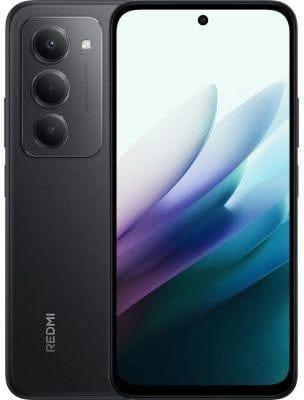
1. Xiaomi Redmi 15 4G
This Redmi 15 4G excels as a “drama-free budget phone”. The large 6.9-inch screen with 144 Hz refresh rate is clearly noticeable while scrolling and gaming. The Snapdragon 685 isn’t a performance champion, but it handles messengers, social networks and typical daily tasks without breaking a sweat. Plenty of memory — 8/256 GB — so you don’t have to live in permanent cleanup mode. A real highlight is the 7000 mAh battery: charge once and forget about it. It also includes NFC, an IR blaster and IP64 splash/dust resistance — light rain or accidental splashes won’t be a problem.
Technical specifications:
Display: 6.9", IPS LCD, 144 Hz
Processor: Snapdragon 685 (6 nm)
RAM: 8 GB
Storage: 256 GB
Main camera: 50 MP
Front camera: 8 MP
OS: Android 15
UI: HyperOS 2
Battery: 7000 mAh
Fast charging: 33 W
Protection: IP64
NFC: Yes
IR blaster: Yes
Bluetooth: 5.0
Strengths:
Large storage capacity for the money
Extremely long battery life even on heavy-use days
Smooth 144 Hz display without premium pricing
NFC + IR blaster — rare features in this price range
Splash resistance useful in real life
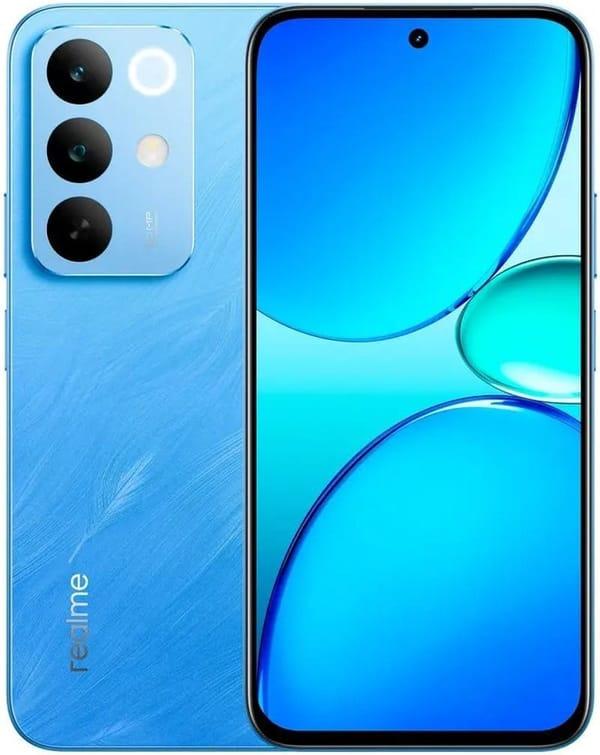
2. realme C85
The realme C85 is chosen when people want serious battery life and don’t want to worry about damaging the phone. The 7000 mAh battery is immediately noticeable. 45 W charging is fast and very welcome. The display is large — 6.8 inches with 144 Hz — so the interface feels responsive.
The model strongly emphasizes durability: it claims an IP69 Pro rating — very unusual for a budget device. The Snapdragon 685 delivers stable performance without sudden slowdowns. The 50 MP main camera performs well in daylight, while the 8 MP selfie camera is adequate for calls and casual selfies. It also supports reverse charging — handy for topping up earbuds or other small gadgets.
Technical specifications:
Display: 6.8", 144 Hz, peak brightness up to 1200 nits
Processor: Qualcomm Snapdragon 685
RAM: 6 GB
Storage: 128 GB
Main camera: 50 MP
Front camera: 8 MP
Battery: 7000 mAh
Fast charging: 45 W
Reverse charging: Yes
Protection: IP69 Pro
Port: USB-C
Bluetooth: 5.0
Advantages:
Very long runtime even during intensive use
IP69 Pro protection — exceptional in the budget category
45 W charging feels like a genuine bonus
144 Hz display makes the interface feel noticeably livelier
Reverse charging for small accessories
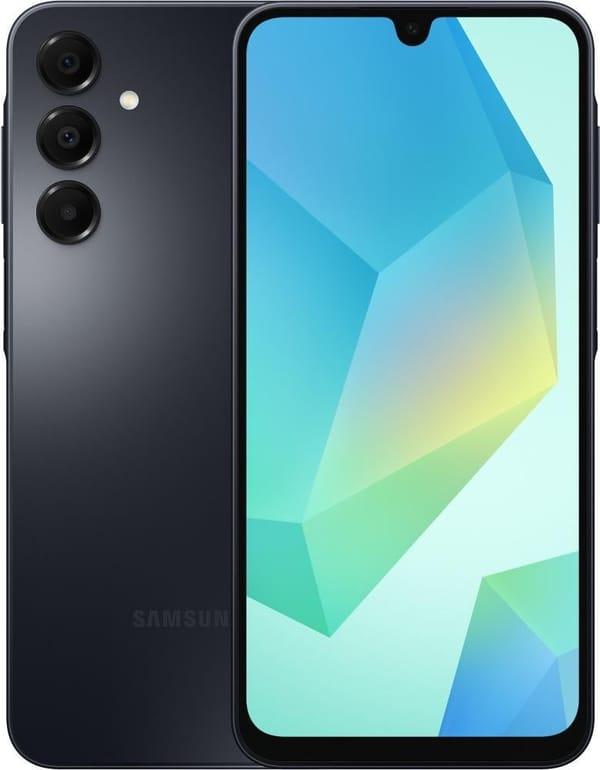
3. Samsung Galaxy A16
The Galaxy A16 is positioned as a practical, no-surprises smartphone. It features a 6.7-inch Super AMOLED panel with vibrant, high-contrast colors and 90 Hz refresh for slightly smoother scrolling. The Helio G99 provides reliable “everything just works” performance, especially in everyday apps. Cameras are versatile: 50 MP main + 5 MP ultra-wide + 2 MP macro to cover different scenarios. The 5000 mAh battery with 25 W charging is classic but effective. NFC is included, and the body is quite slim for its class at 7.9 mm.
Technical specifications:
Display: 6.7", Super AMOLED, 2340×1080, 90 Hz
Processor: MediaTek Helio G99
OS: Android 14
RAM: 4 GB
Storage: 128 GB
Main camera: 50 MP + 5 MP + 2 MP
Front camera: 13 MP
Battery: 5000 mAh
Fast charging: 25 W
NFC: Yes
Bluetooth: 5.3
Thickness: 7.9 mm
Weight: 200 g
Advantages:
Super AMOLED display is rare at this price
NFC is convenient for payments and public transport
Triple camera offers more shooting options than a single lens
25 W charging prevents long waiting times
Slim body feels premium in hand
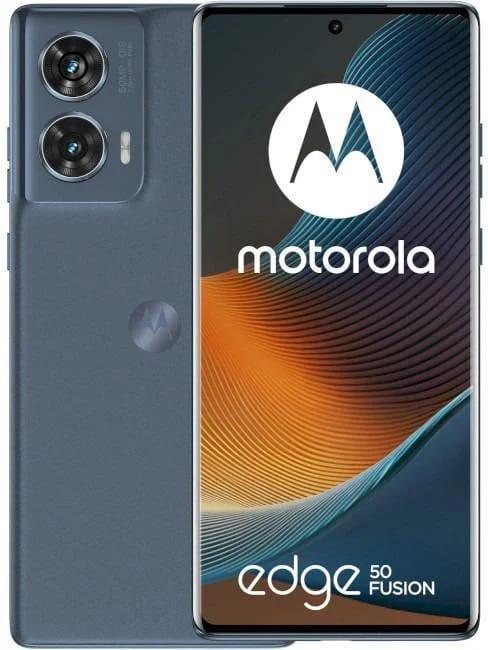
4. Motorola Edge 50 Fusion
The Motorola Edge 50 Fusion feels like a phone that's “a bit above average” but often fits perfectly into budget logic: buy once and use for a long time. The large, smooth screen makes browsing feeds and reading very pleasant. Snapdragon performance is enough not only for messaging and browsing, but also for gaming without endless loading. The camera produces clean shots and the stabilization helps when shooting while moving. Everyday features people value are present: water resistance and fast charging so the phone isn’t tied to a cable half the day.
Technical specifications:
Display: 6.7", pOLED, 2400×1080, 144 Hz
Processor: Qualcomm Snapdragon 7s Gen 2
RAM: 8 GB
Storage: 256 GB
Main camera: 50 MP (OIS) + 13 MP (ultra-wide)
Front camera: 32 MP
Battery: 5000 mAh
Charging: 68 W
Protection: IP68, Gorilla Glass 5
Bluetooth: 5.2
Audio codecs: AAC
Extras: ThinkShield, Dolby Atmos stereo sound
Advantages:
Smooth high-refresh-rate display
Fast charging — convenient for city life
IP68 rating is uncommon in this price class
256 GB storage usually lasts a long time
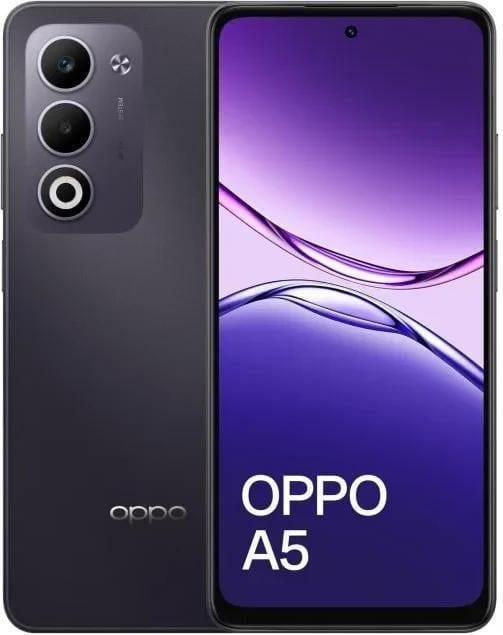
5. OPPO A5 4G
The OPPO A5 4G is frequently chosen as a practical “workhorse” phone where stability matters more than wow-factor. It’s not about chasing benchmark numbers — it’s about a device that lasts long and doesn’t irritate you with small issues. Battery endurance is clearly emphasized here. You really feel it, especially on days spent mostly on the move.
It’s tuned for typical daily tasks: calls, social media, video, maps, banking apps. Practicality is important in the budget segment, and the clean monoblock design plus solid wireless performance help. Listening to music over Bluetooth is convenient. And the color isn’t boring if you want something other than black.
Technical specifications:
Processor: Qualcomm Snapdragon 6s 4G Gen 1
RAM: 6 GB
Storage: 128 GB
Battery: 6000 mAh
Bluetooth: 5.0
Audio codecs: AAC, aptX
Body: Monoblock (non-removable)
Body color: Purple
Main camera: 50 MP + -
Strengths:
Very large battery for the price
Decent 128 GB storage for daily apps
aptX support for Bluetooth headphone users
Simple, predictable format — great as an everyday phone
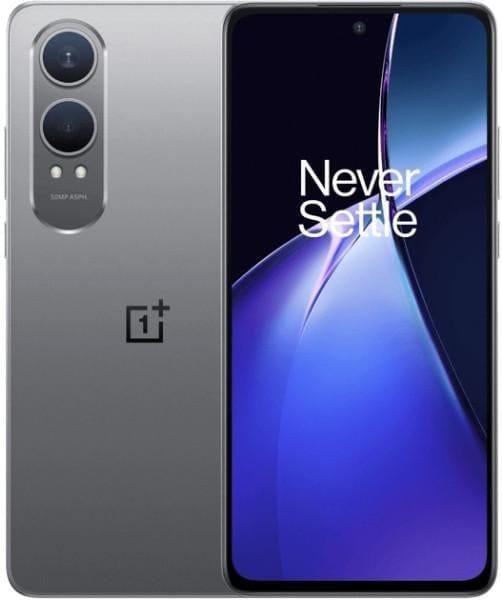
6. OnePlus Nord CE 4 Lite
The OnePlus Nord CE 4 Lite feels like an “affordable phone that tries hard to be fast”. The AMOLED screen delivers vivid colors, and 120 Hz makes the interface feel more alive — especially when scrolling. The Snapdragon 695 chipset is comfortable for daily tasks with no constant hesitation. Plenty of storage — a real 256 GB — plus microSD expansion. A nice bonus: it still has a 3.5 mm headphone jack, which remains a lifesaver for some users.
Technical specifications:
Display: 6.67", AMOLED, 1080×2400, 120 Hz
Processor: Qualcomm Snapdragon 695 5G
RAM: 8 GB
Storage: 256 GB
Memory card: microSD
Main camera: 50 MP (OIS) + -
Front camera: 16 MP
Battery: 5110 mAh
Charging: 80 W
OS: Android 14
Connectivity: 5G, Wi-Fi 5
Bluetooth: 5.1
Port: USB Type-C
Audio: 3.5 mm jack
Audio codecs: AAC, aptX, aptX HD
Advantages:
AMOLED + 120 Hz rarely looks “cheap” even in budget phones
256 GB storage removes most photo/app worries
Very fast charging — great for busy days
3.5 mm jack + microSD — not common anymore
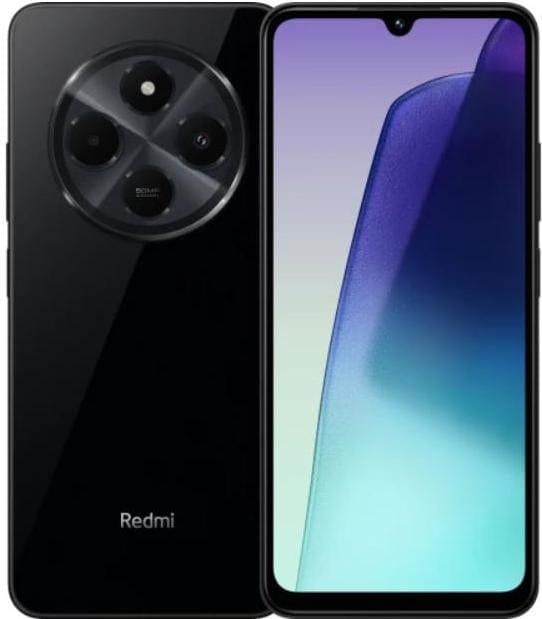
7. Xiaomi Redmi 14C
The Xiaomi Redmi 14C is a full-fledged budget device for everyday use when you want a big screen and decent battery life without spending extra. The large IPS display supports up to 120 Hz refresh, so feeds, videos and light games look noticeably smoother than on the most basic models. It runs on the MediaTek Helio G81 Ultra — sufficient for messengers, navigation, calls and common apps. 6/128 GB memory means you don’t have to constantly delete photos and chats. The 50 MP main camera is the main focus, while the 13 MP selfie camera handles video calls well. The 5160 mAh battery + 18 W charging provides good insurance against being glued to a power outlet.
Technical specifications:
Display: 6.88", IPS, 1640×720, up to 120 Hz
Processor: MediaTek Helio G81 Ultra
RAM: 6 GB
Storage: 128 GB
Memory expansion: microSD
Main camera: 50 MP + depth sensors
Front camera: 13 MP
Battery: 5160 mAh
Charging: 18 W
Network: 4G LTE, dual SIM
Wi-Fi: Wi-Fi 5 (802.11 a/b/g/n/ac)
Bluetooth: 5.4
NFC: Depends on region
Navigation: GPS, GLONASS, BeiDou, Galileo
Ports: USB Type-C 2.0, 3.5 mm
OS: HyperOS based on Android 14
Fingerprint scanner: Side-mounted
Strengths:
Large screen + smooth scrolling at a low price
6/128 GB feels spacious
50 MP main camera as a versatile solution
Good battery life for a budget model
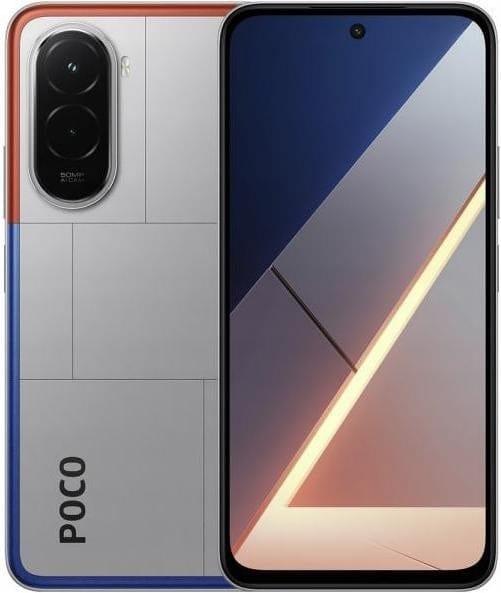
8. POCO M7
The POCO M7 is all about “more of everything” in the affordable segment. It features a large 6.9" IPS FHD+ display with up to 144 Hz refresh — noticeably smooth when scrolling, gaming or just navigating menus. The Snapdragon 685 is tuned for stable, fuss-free performance during days full of messengers, videos and apps. 6/128 GB storage is a sensible compromise: enough for the system, photos and a couple of heavy games.
A separate highlight is the 7000 mAh battery — simply huge. 33 W fast charging prevents charging from becoming an overnight ritual. Stereo speakers, 3.5 mm jack, IP64 splash protection and side-mounted fingerprint reader make for a practical, no-nonsense package. For a budget phone this is a very good price-to-experience balance.
Technical specifications:
Display: 6.9", IPS, FHD+, 144 Hz
Processor: Qualcomm Snapdragon 685
RAM: 6 GB
Storage: 128 GB
Battery: 7000 mAh
Charging: 33 W
Bluetooth: 5.0
Protection: IP64
Fingerprint scanner: Power button
Sound: Stereo speakers
Headphone jack: Yes
Extras: Accelerometer, virtual proximity sensing, compass
Audio codecs: AAC
Key strengths:
FHD+ 144 Hz display — rare in budget class
Very large battery for extended usage
33 W fast charging suitable for its category
IP64 + in-button scanner — convenient and practical
9. Xiaomi Redmi A5
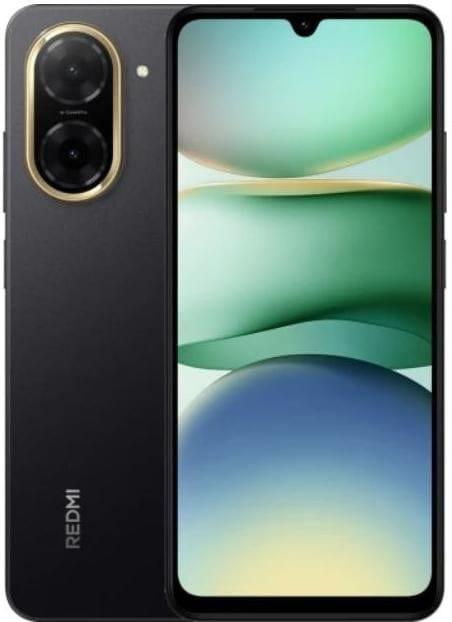
The Xiaomi Redmi A5 is entry-level but doesn’t feel completely empty. The 6.88" IPS screen with 120 Hz refresh provides pleasant smoothness, especially in the UI and while scrolling. The Unisoc T7250 + Mali-G57 MP1 graphics handle basic scenarios: communication, video, maps, banking apps. 4/128 GB storage is usually enough for calm usage if you don’t fill the phone with dozens of heavy games. The camera is simpler but honest: 32 MP main + depth sensor, 8 MP selfie — sufficient for calls and everyday photos. The 5200 mAh battery and 15 W charging make it a comfortable choice when price and endurance matter more than spec racing.
Technical specifications:
Display: 6.88", IPS, 1640×720, 120 Hz, up to 450 nits
Processor: Unisoc T7250
Graphics: Mali-G57 MP1
RAM: 4 GB
Storage: 128 GB
Main camera: 32 MP + depth sensor
Front camera: 8 MP
Video: Up to 1080p 30 fps
Battery: 5200 mAh
Charging: 15 W
Bluetooth: 5.2
Body type: Monoblock
Body color: Black
Advantages:
Large screen + 120 Hz in the budget segment
128 GB storage at a low price
5200 mAh battery for confident endurance
Solid set of features for daily apps
10. Motorola Moto G75
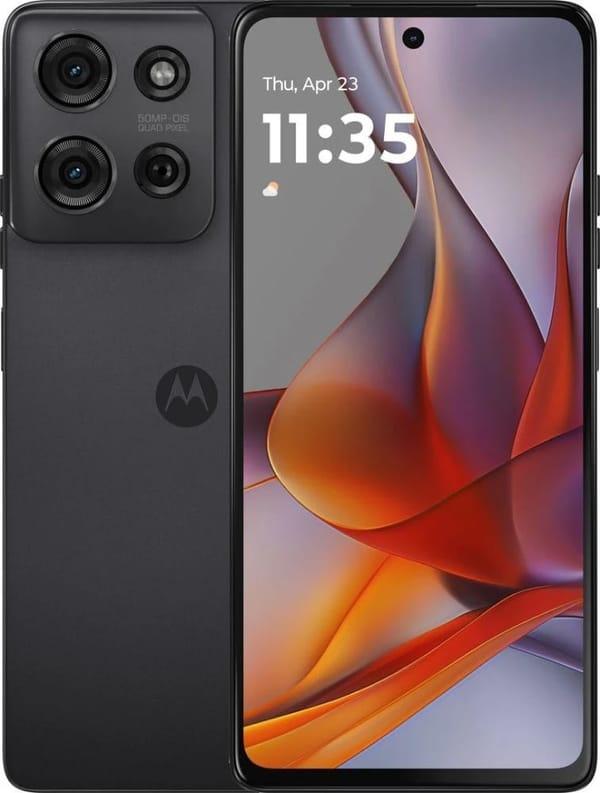
The Motorola Moto G75 is about a normal smartphone without drama or overpaying for brand shine. The large, smooth screen with 120 Hz refresh feels great when scrolling social media or browsing. Mid-range processor handles daily tasks confidently, while 8/256 GB gives comfortable headroom so you’re not constantly cleaning storage. Water and dust protection is present — rare in inexpensive models. Cameras aren’t miraculous, but the main 50 MP module with optical stabilization shoots calmly even in low light.
Technical specifications:
Display: 6.78", IPS LCD, 1080×2388, 120 Hz
Screen protection: Corning Gorilla Glass 5
Processor: Qualcomm Snapdragon 6 Gen 3
Graphics: Adreno
RAM: 8 GB
Storage: 256 GB
Memory card: microSD
Main camera: 50 MP with OIS + 8 MP (ultra-wide)
Front camera: 16 MP
Video: 4K
Battery: 5000 mAh
Charging: fast 30 W
Wireless charging: 15 W
Connectivity: 5G
Wi-Fi: Wi-Fi 6E
Bluetooth: 5.4
Body protection: IP68, MIL-STD-810H
OS: Android 14
Advantages:
Large 120 Hz screen — pleasant for feeds and reading
8/256 GB feels honest and convenient in this class
Optical stabilization helps in low light
Wireless charging — rare at this price
IP68 + reinforced body standards add peace of mind
11. Blackview Oscal Marine 2
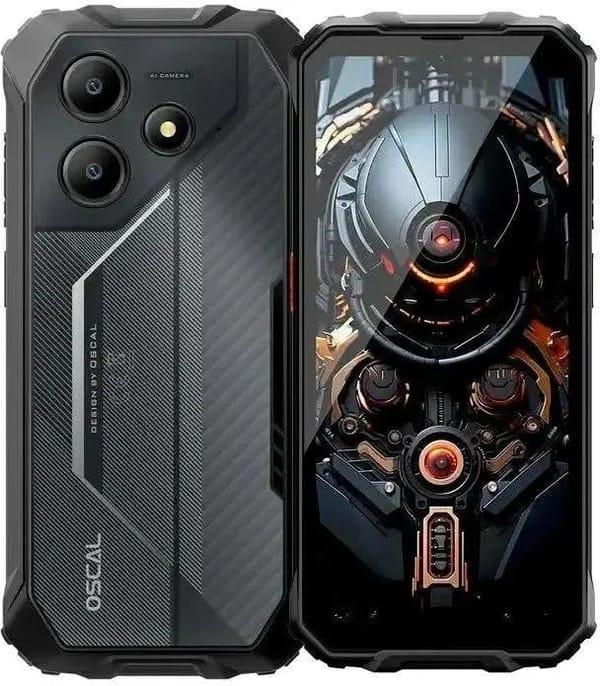
The Blackview Oscal Marine 2 is a budget choice for those who need a tough, long-lasting device rather than something thin and stylish. The thick, heavy body is clearly designed for water, dust and rough use — you feel the durability right away. The biggest focus is endurance: the enormous battery makes it very practical for travel, fieldwork or outdoor trips. The screen isn’t flagship-resolution, but 90 Hz still makes it noticeably smoother.
Performance is entry-level — perfectly adequate for messaging, navigation, calls and light games without complaints. Generous storage (256 GB + microSD) means photos, maps and offline music usually fit without compromise. Cameras are basic but include underwater shooting modes — this is truly a “tool” phone rather than a portrait artist. And yes — NFC is included, a nice bonus for this type of rugged budget device.
Technical specifications:
Display: 6.56", IPS, 1612×720, 90 Hz
Processor: Unisoc T615
Graphics: Mali-G57
RAM: 8 GB (LPDDR4X)
Storage: 256 GB (UFS 2.1)
Memory card: microSD (up to 2048 GB claimed)
Main camera: 16 MP + secondary module
Video: 1080p 30 fps
Front camera: 8 MP
Network: 4G (LTE)
SIM: Dual SIM + microSD
Wi-Fi: Wi-Fi 5 (802.11ac)
Bluetooth: 5.2
NFC: Yes
Port: USB-C
Navigation: GPS, GLONASS, Galileo, digital compass
Battery: 11000 mAh
Charging: 18 W, Pump Express
Protection: IP68/IP69K, MIL-STD-810
Dimensions: 179.8 × 83.1 × 18.3 mm
Weight: 395 g
OS: Android 15
Strengths:
Extremely large battery — charge far less often
Water & shock protection — suitable for harsh conditions
NFC included — easy contactless payments
8/256 GB + UFS 2.1 looks generous at this price
90 Hz refresh makes the interface feel more responsive
Conclusion
This article reviewed the best smartphones that will remain relevant in 2026 — all fitting the logic of the budget segment without unnecessary frills. Some models focus on extreme battery life and fast charging so the phone doesn’t run out mid-day. Others prioritize the display so scrolling and video watching feel pleasant instead of frustrating. That’s completely normal — everyone has different priorities.
When you need a phone that survives an active day without drama, battery size and storage capacity usually matter most. This selection includes devices with very large batteries and generous internal storage so you’re not constantly deleting photos and apps. If you enjoy photography and video on the go, camera quality and stabilization become more important — and those models are also represented here.
Don’t underestimate the “small” features that can matter more than headline specs in the budget segment: NFC for payments, splash resistance, a 3.5 mm headphone jack, expandable storage. In 2026 it’s exactly these practical details that turn a budget smartphone into a truly convenient daily companion — something you actually use every day rather than just read about on a spec sheet.