

Camera for a Teenager: That to Look at First
March 30, 2026
Buying the first camera for a teenager usually starts not with specifications, but with the question: "what if it doesn't catch on?" And that's normal. At this age, interests can change quickly, so it's important to find something not too complicated, but not toy-like either. The camera should be understandable from the first days, but at the same time give the feeling that you can grow with it further.
In this material, we have compiled a list of suitable options and types of cameras that really make sense for teenagers - without overloading with unnecessary functions and with a normal reserve for the future.
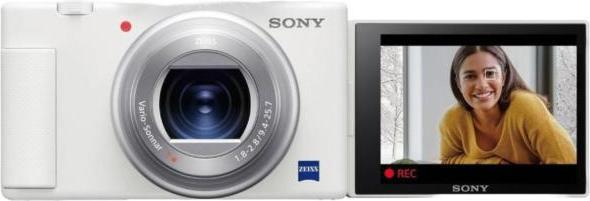
1. Sony ZV-1 White
Sony ZV-1 White is a compact camera designed for simple and quick use without extra preparation. It combines automatic modes and basic manual settings, so it is suitable for those who are just starting to understand shooting. The hybrid autofocus works stably and does not require constant intervention, which is especially convenient when you just want to take out the camera and capture the moment.
At the same time, the camera remains quite versatile in everyday scenarios. The flip screen simplifies shooting from different angles and helps when recording video, while the built-in stabilization partially smooths out hand shake. The lens here is non-interchangeable, but it covers a popular range, so there is no need to immediately buy additional accessories.
Key points:
compact body format
flip screen
hybrid autofocus
optical image stabilization
support for RAW and JPEG
built-in Wi-Fi and Bluetooth
4K video recording
Who it is suitable for:
teenagers who are just starting to shoot
those who want a simple device without complicated setup
shooting photos and short videos
users who do not need interchangeable lenses
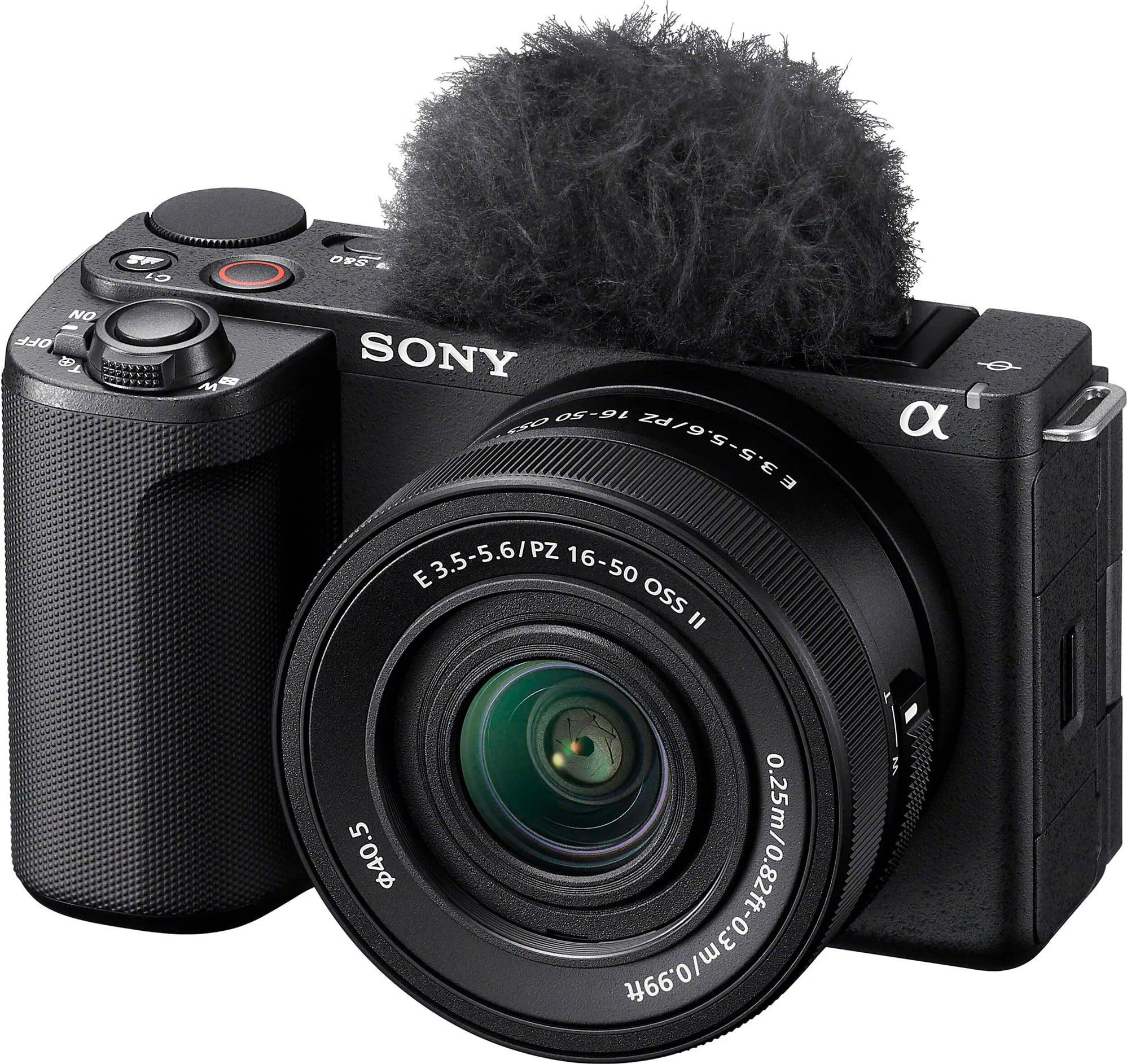
2. Sony ZV-E10 Kit (16-50mm)
Sony ZV-E10 Kit is already a more flexible camera with the ability to change lenses. The kit includes a standard zoom lens that is suitable for everyday shooting, but if necessary, it can be replaced. This makes the camera more interesting in the long term, when the desire to try different shooting styles appears.
The camera uses a larger sensor, which provides a more detailed image and better performance in low light. It also provides the ability to connect an external microphone, which is useful for video. At the same time, the body remains compact and is not overloaded with unnecessary control elements, so the transition from simple devices occurs without a sharp complication.
Key points:
interchangeable lens with Sony E mount
24 MP sensor
16-50 mm lens included
support for external microphone
compact and lightweight body
universal focal length range
Who it is suitable for:
teenagers who want to develop in shooting
those for whom the ability to change lenses is important
shooting photos and videos with better quality
users who are ready to gradually understand the settings
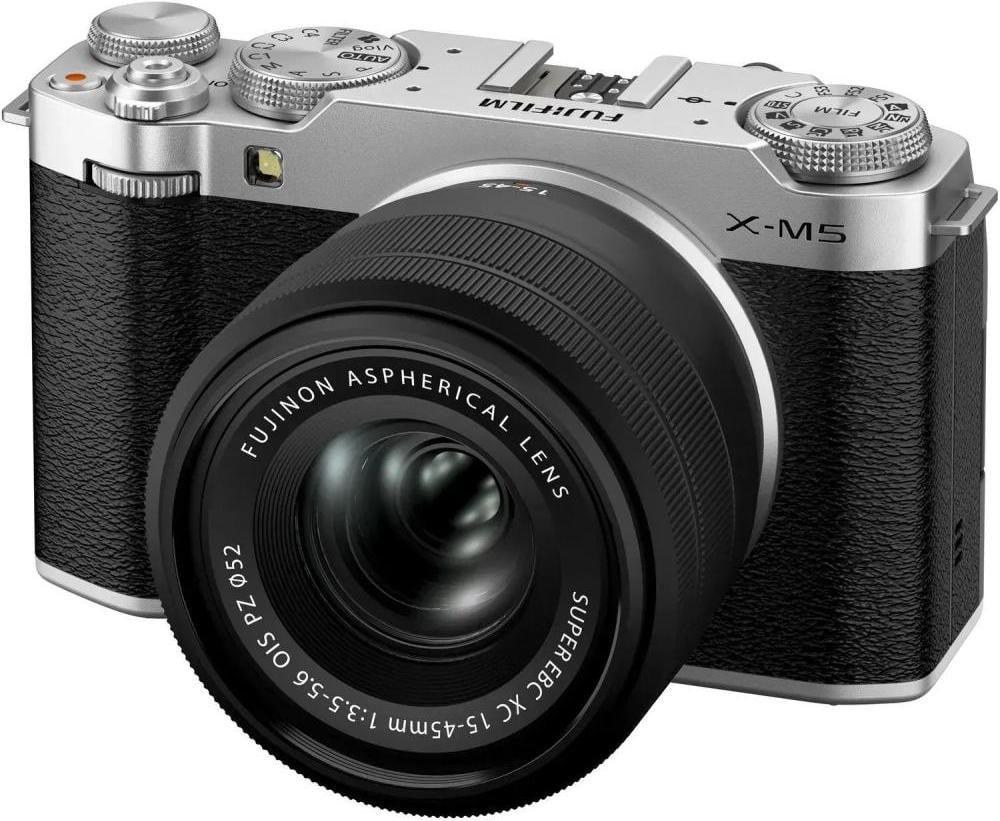
3. Fujifilm X-M5 Kit (XC 15-45mm)
Fujifilm X-M5 Kit is a mirrorless camera with an emphasis on image quality and wider control over shooting. It is equipped with a high-resolution sensor, which provides detailed shots and allows working with different file formats, including RAW and HEIF. At the same time, the camera remains compact and does not require complex setup at the basic level.
The lens included covers a convenient range for everyday tasks, and the ability to change optics provides a reserve for the future. The tilt screen helps to shoot from non-standard angles, and the high shutter speed and burst shooting allow you to capture motion without unnecessary delays. In general, this is an option for those who already want a little more control, but without moving to complex systems.
Key points:
mirrorless system with interchangeable optics
26.1 MP sensor
support for RAW, JPG and HEIF
tilt touchscreen
high shutter speed up to 1/32000
burst shooting up to 30 frames per second
built-in Wi-Fi and Bluetooth
Who it is suitable for:
teenagers for whom photo quality is important
those who want more control over shooting
shooting in different lighting conditions
users who are ready to master manual settings
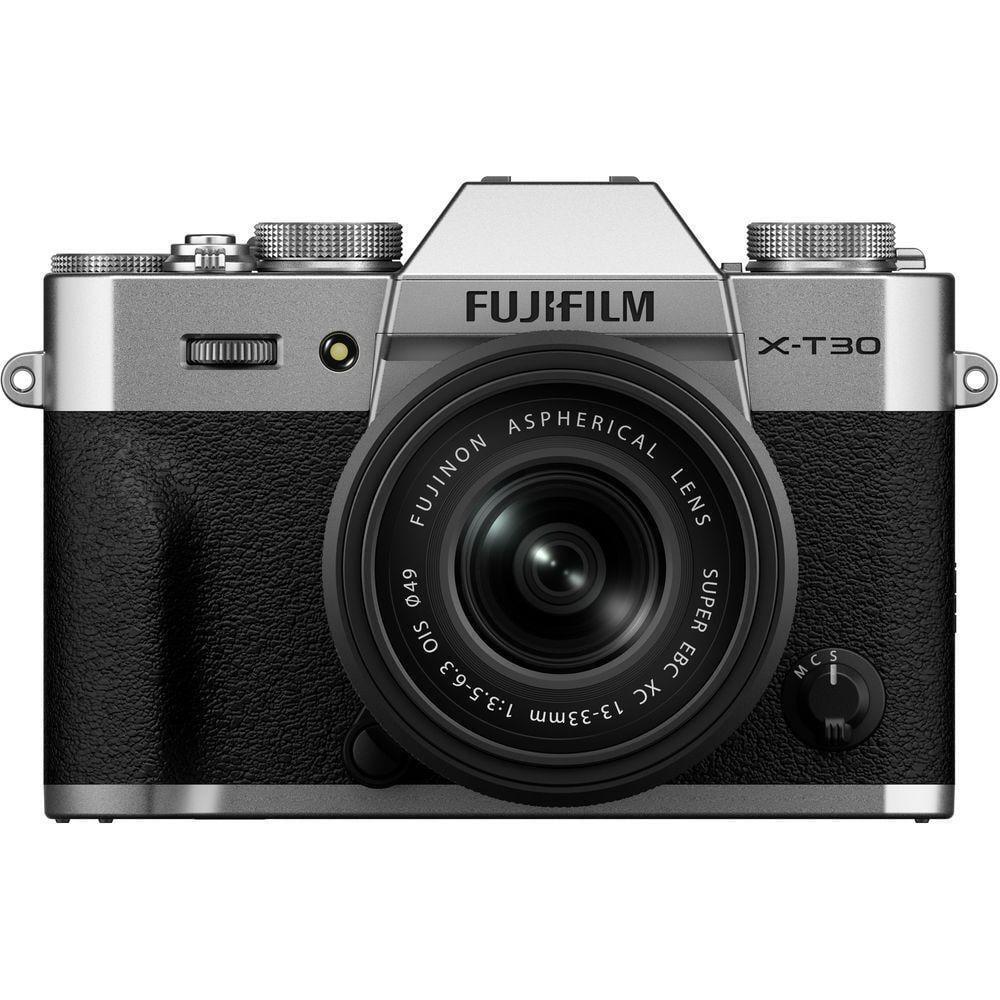
4. Fujifilm X-T30 III Kit (13-33mm)
Fujifilm X-T30 III Kit is a mirrorless camera that focuses on everyday shooting with the ability to gradually understand the settings. It remains compact and is not overloaded with controls, so it can be used without long adaptation. At the same time, the camera supports basic manual settings, which gives the opportunity to start experimenting over time.
The kit includes a universal lens with a wide range, which is suitable for different scenarios - from regular walks to shooting details. The tilt screen helps to shoot at different angles, and autofocus with object recognition simplifies the process when there is no time for manual adjustment. The camera also supports video recording, so it can be used not only for photos.
Key points:
mirrorless system with interchangeable lens
tilt screen
autofocus with object recognition
support for photo and video shooting
compact body
universal lens included
optical stabilization in the lens
Who it is suitable for:
teenagers who want more than just a basic camera
those who plan to develop in shooting
shooting in different conditions
users for whom flexibility of settings is important
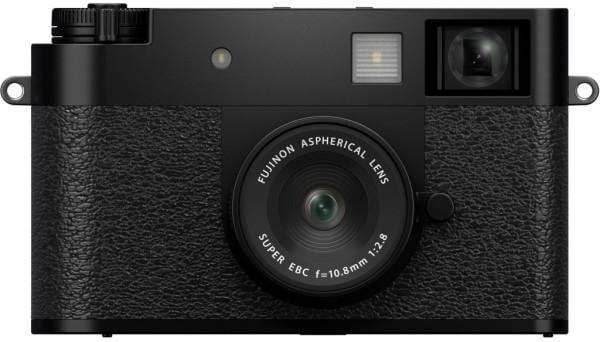
5. Fujifilm X-HF1
Fujifilm X-HF1 is a simpler mirrorless camera with a fixed lens that does not require complex setup. It is designed for basic shooting, where it is important to quickly take a shot without long parameter selection. The camera supports automatic modes, but at the same time leaves the possibility of manual focusing.
In terms of feel, this is a more straightforward option without unnecessary functions. There is no interchangeable optics or additional complex elements here, so everything comes down to basic shooting scenarios. The built-in viewfinder and touchscreen make the process a little more convenient, but overall the camera remains simple and understandable.
Key points:
fixed lens
touchscreen
optical viewfinder
manual and automatic focusing
support for photo and video
compact and lightweight body
Who it is suitable for:
teenagers who need a simple camera
those who do not want to understand the settings
everyday shooting
users who do not need additional accessories
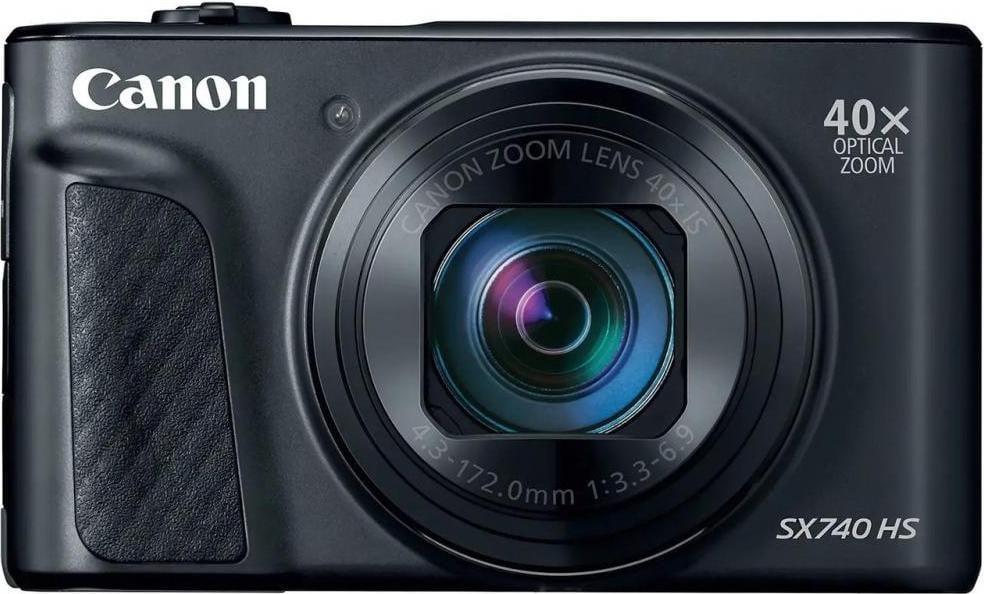
6. Canon PowerShot SX740 HS
Canon PowerShot SX740 HS is a compact camera with an emphasis on versatility and a large zoom range. It does not require changing lenses, while allowing you to shoot both close objects and distant scenes. This format is convenient for those who do not want to think about additional equipment.
The camera remains quite simple to use, but provides more opportunities due to its zoom. The flip screen helps when shooting handheld or when recording yourself, and the built-in stabilization makes the frames smoother. At the same time, it is not overloaded with complex settings and is suitable for ordinary use without preparation.
Key points:
compact body
40x optical zoom
flip screen
optical image stabilization
Wi-Fi support
photo and video shooting
Who it is suitable for:
teenagers who need a large zoom
travel and everyday shooting
those who do not want to change lenses
users who need a universal camera
Conclusion
Choosing a camera for a teenager rarely comes down to dry specifications. In practice, everything comes down to how convenient it is to use it every day. If the camera makes you want to take it with you, try, make mistakes and shoot again - then the choice is made correctly.
Usually everything is built around a simple balance. For some, a compact camera is enough to capture moments without unnecessary settings. Over time, someone starts to get interested in lenses, light, details - and then it makes sense to look towards more flexible models. There is no universal option that will suit everyone at once, and that's normal.
This list just helps not to guess blindly. It gives a clear starting point - from simple solutions to more advanced ones. Further, everything depends on the teenager himself: how often he will shoot, what exactly catches him, and whether he will want to go further. The camera in this case is not a goal, but a tool that will either remain lying around or become part of the habit.