

Top 7 Cameras for Macro Photography: How to Choose Your Option
March 30, 2026
Macro photography is the case when you start noticing things that you used to simply pass by. The texture of a leaf, a drop of water, an insect: everything looks different, almost like a separate world.
And this is where the question often arises: do you need some "special" camera for this? In short - yes, but it's not as complicated as it seems. You don't have to immediately chase expensive equipment or delve into dozens of specifications.
Let's calmly figure out which camera is really suitable for macro photography and what you should pay attention to in order not to overpay and not be disappointed.
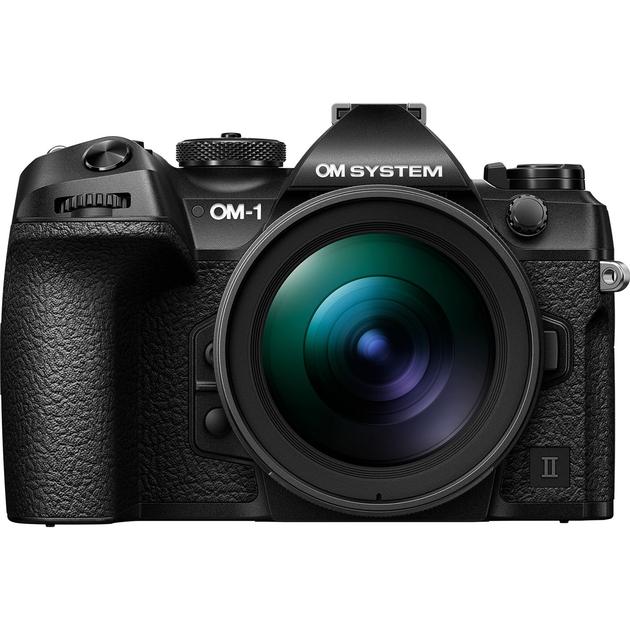
1. Olympus OM-1 Mark II 12-40mm
Olympus OM-1 Mark II with a 12-40mm lens is the case when you don't want to spend a long time figuring things out before shooting. You take it, turn it on, and within a couple of minutes you start capturing details. Due to the minimal focusing distance, you can get close enough, and this is immediately felt when shooting something small - leaves, textures, insects.
In terms of work sensations, everything is quite calm and predictable. You don't have to struggle with controls or constantly double-check the result. The viewfinder and screen help you normally control the frame, and the body doesn't make you nervous if you're shooting in less than ideal conditions. Overall, this is an option with which it's convenient to just go out and shoot macro without unnecessary fuss.
Main points:
Minimum focusing distance about 0.2 m
Natural color reproduction without overload
Convenient range of focal lengths
Burst shooting for moving objects
Protected body for outdoor shooting
Who it suits:
Those who want to simply start with macro without complex settings
Those who shoot not only macro, but everything in general
Those for whom compactness and convenience are important
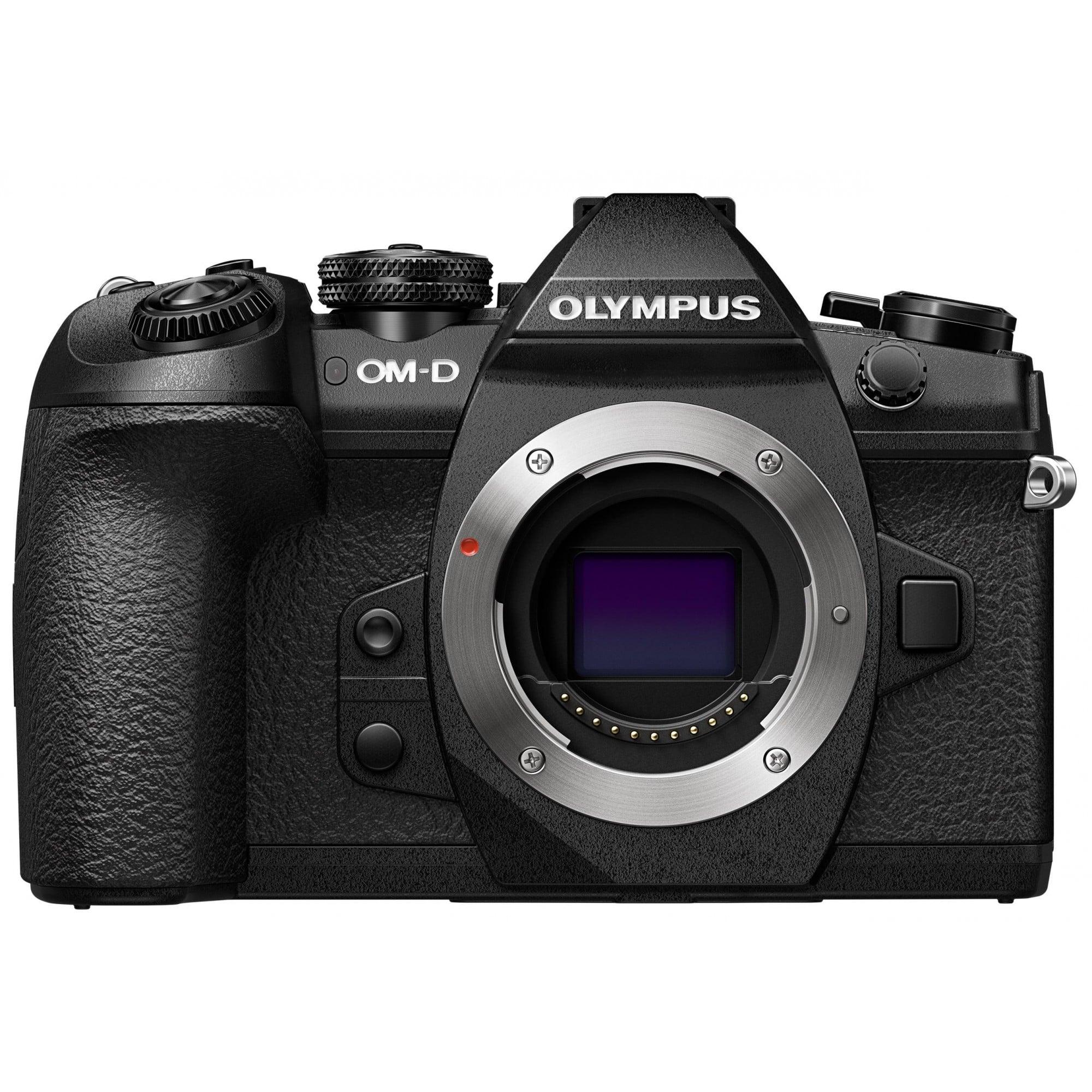
2. Olympus OM-1 II Body
Olympus OM-1 II Body is a story that's no longer about "take it out and shoot," but about customizing it to yourself. There is no lens included, and this immediately changes the approach. If you understand which macro lens you need, you can assemble a rather convenient setup for your tasks.
In use, everything depends on what you put on it. Stabilization helps, especially if you shoot handheld, and the flip screen helps out when you have to work from awkward angles. There is a feeling that this is more about flexibility than a ready-made solution. It requires a bit more involvement, but in return, you can adjust the result to suit yourself.
Main points:
Ability to choose a lens for macro photography
Matrix stabilization
High burst shooting speed
Flip screen for complex angles
Two memory card slots
Who it suits:
Those who already understand how optics work
Those who want to build a camera for their tasks
Those who plan to shoot macro regularly
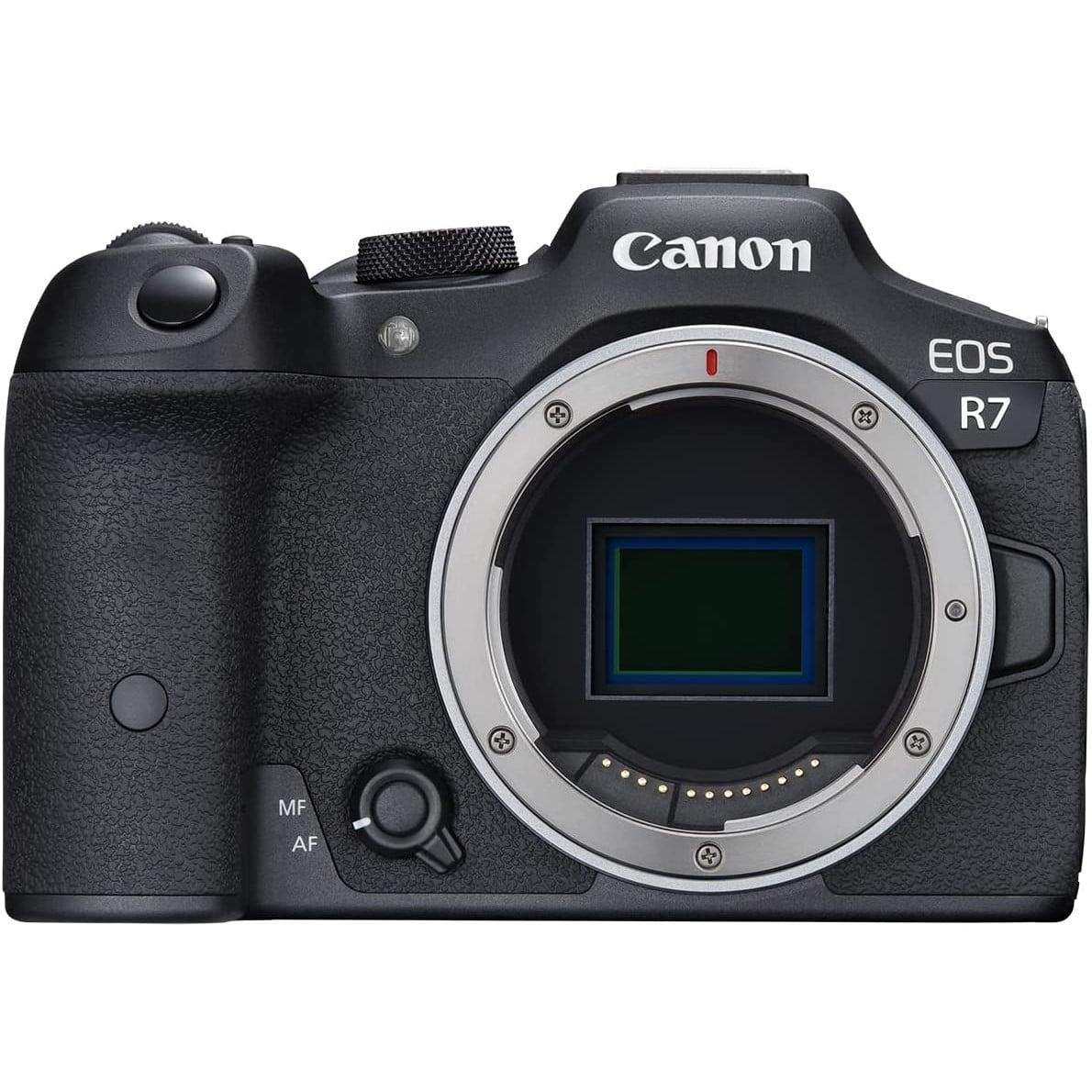
3. Canon EOS R7 Body
Canon EOS R7 Body feels a bit more "about details." When you start shooting, you immediately see that there is a reserve in resolution - you can then calmly crop and not lose quality. For macro, this is convenient, especially if you didn't manage to get as close as possible.
In operation, everything is quite clear and without surprises. Autofocus holds small objects confidently, stabilization helps avoid blur, and the flip screen greatly simplifies life when shooting almost from the ground or at a strange angle. As a result, you get an option that gives more control, but at the same time does not overload you.
Main points:
High image detail
Stabilization when shooting handheld
Accurate autofocus
Flip touchscreen
Support for interchangeable optics
Who it suits:
Those who want more details in the frame
Those who often crop photos after shooting
Those who shoot macro handheld and in motion
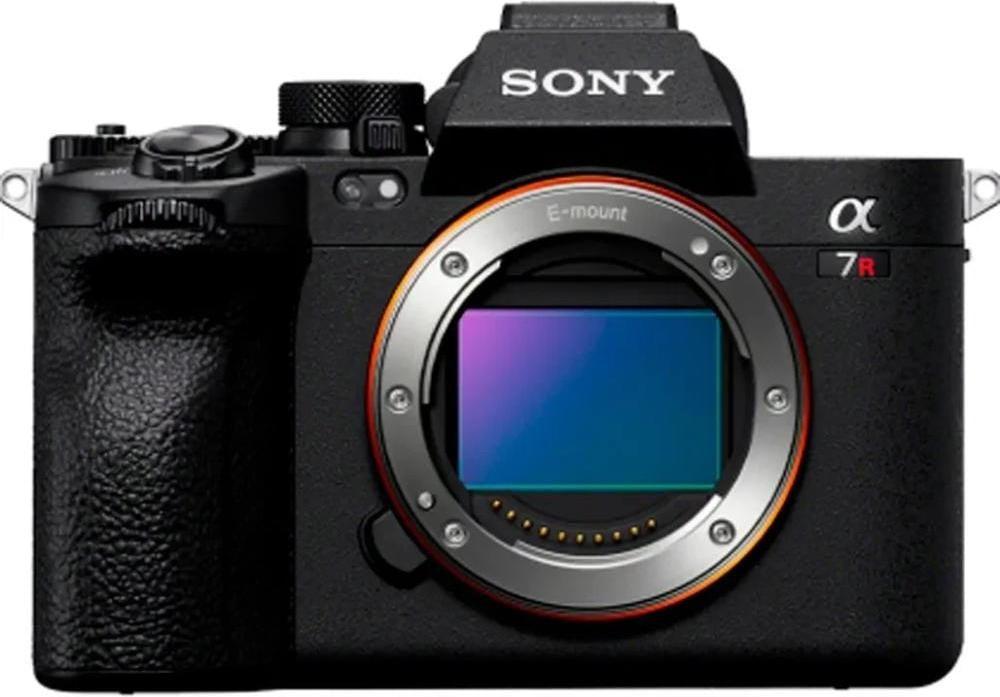
4. Sony Alpha A7R V Body
Sony Alpha A7R V Body is an option where the emphasis is clearly placed on detail. When you look at the result, it is immediately visible: small elements are worked out very accurately, and this is exactly what is needed for macro photography. But here it is important to understand that much will depend on the lens, because the camera itself comes without one.
In work, it feels like a tool that requires a bit more attention, but also gives more control. Stabilization helps, especially if you shoot handheld, and autofocus confidently latches onto even small objects. The screen is flip, so you can calmly shoot from non-standard angles. This is not the simplest option for a start, but if you want to squeeze the maximum out of details - it is quite a logical choice.
Main points:
High detail of shots
Image stabilization
Accurate autofocus
Flip touchscreen
Support for interchangeable optics
Who it suits:
Those who focus on details
Those who shoot macro with subsequent cropping
Those who have already worked with mirrorless cameras
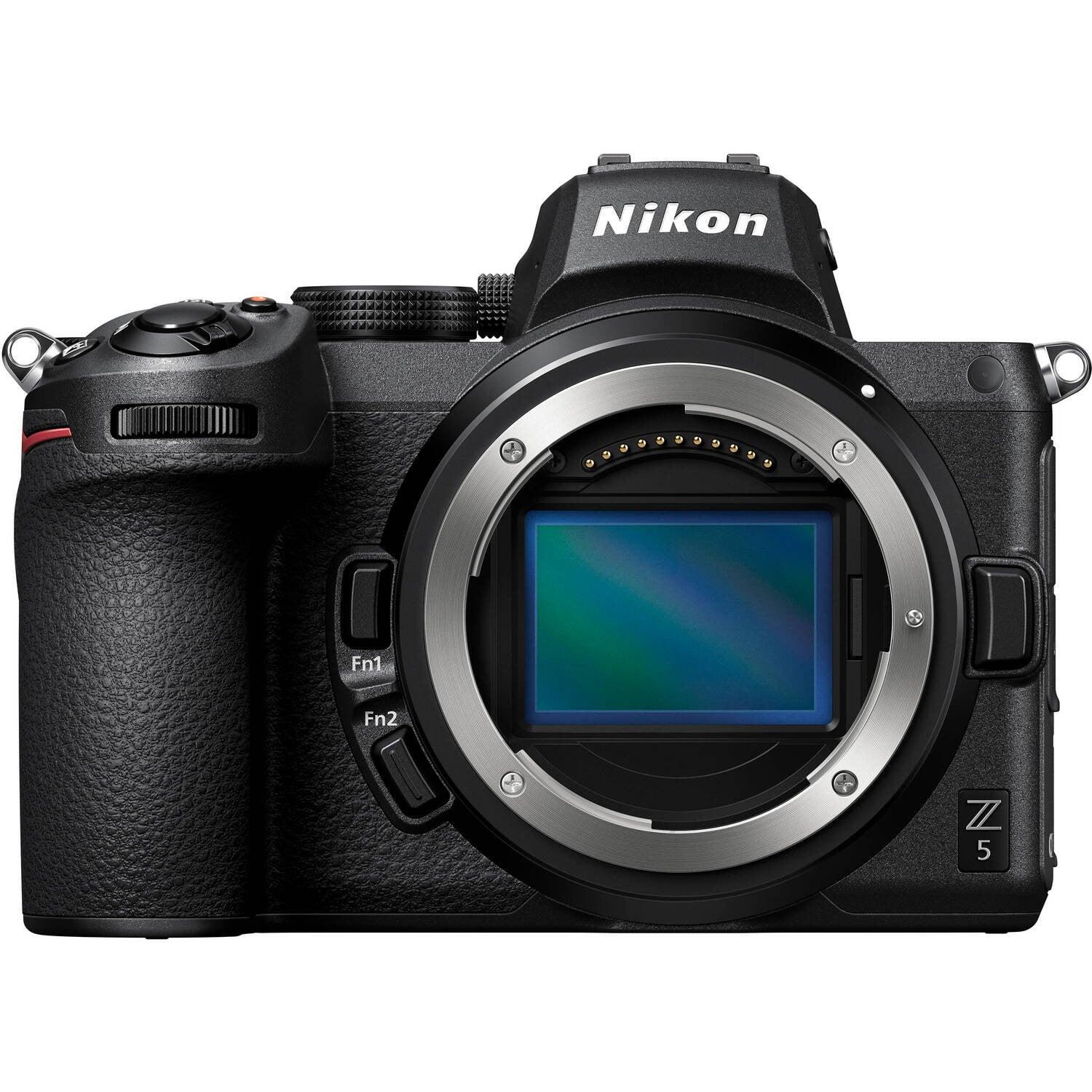
5. Nikon Z5 Body
Nikon Z5 Body is perceived more calmly and without unnecessary complexity. This is the option where there is no feeling that you need to spend a long time figuring things out before shooting. At the same time, the ability to change lenses remains, which is important for macro - you can select the appropriate optics for your tasks.
In the process of use, everything is quite even. Stabilization helps you shoot handheld, autofocus does not require constant control, and the flip screen simplifies shooting from awkward angles. The camera does not overload you, but at the same time gives enough opportunities to shoot details without unnecessary stress.
Main points:
Full-frame sensor
Matrix stabilization
Support for interchangeable optics
Flip screen
Two memory card slots
Who it suits:
Those who want to switch to full frame
Those who are looking for an understandable and uncomplicated camera
Those who shoot macro from time to time
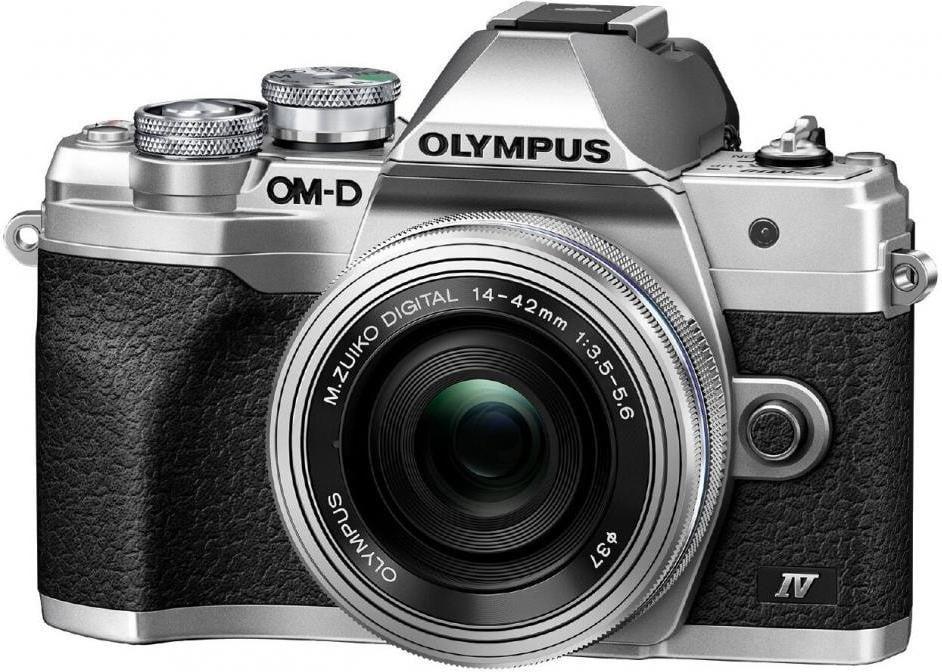
6. Olympus OM-D E-M10 Mark IV Kit 14-42mm
Olympus OM-D E-M10 Mark IV with a 14-42mm lens is a lightweight and rather simple option that is often taken as a first camera. It is not overloaded with settings, and there is a plus in this - you can focus on the shooting itself, not on the equipment. For macro, this is especially important when you are just starting to figure things out.
In work, everything is quite soft and without sharp surprises. Stabilization helps if you shoot handheld, and the flip screen simplifies the search for an angle. The included lens is not purely macro, but for basic tasks and shooting details it is sufficient. This is more about a calm start than complex scenarios.
Main points:
Compact and lightweight body
Image stabilization
Flip screen
Lens included
Simple controls
Who it suits:
Those who are just starting with macro photography
Those who are looking for a lightweight option for trips
Those for whom simplicity is important
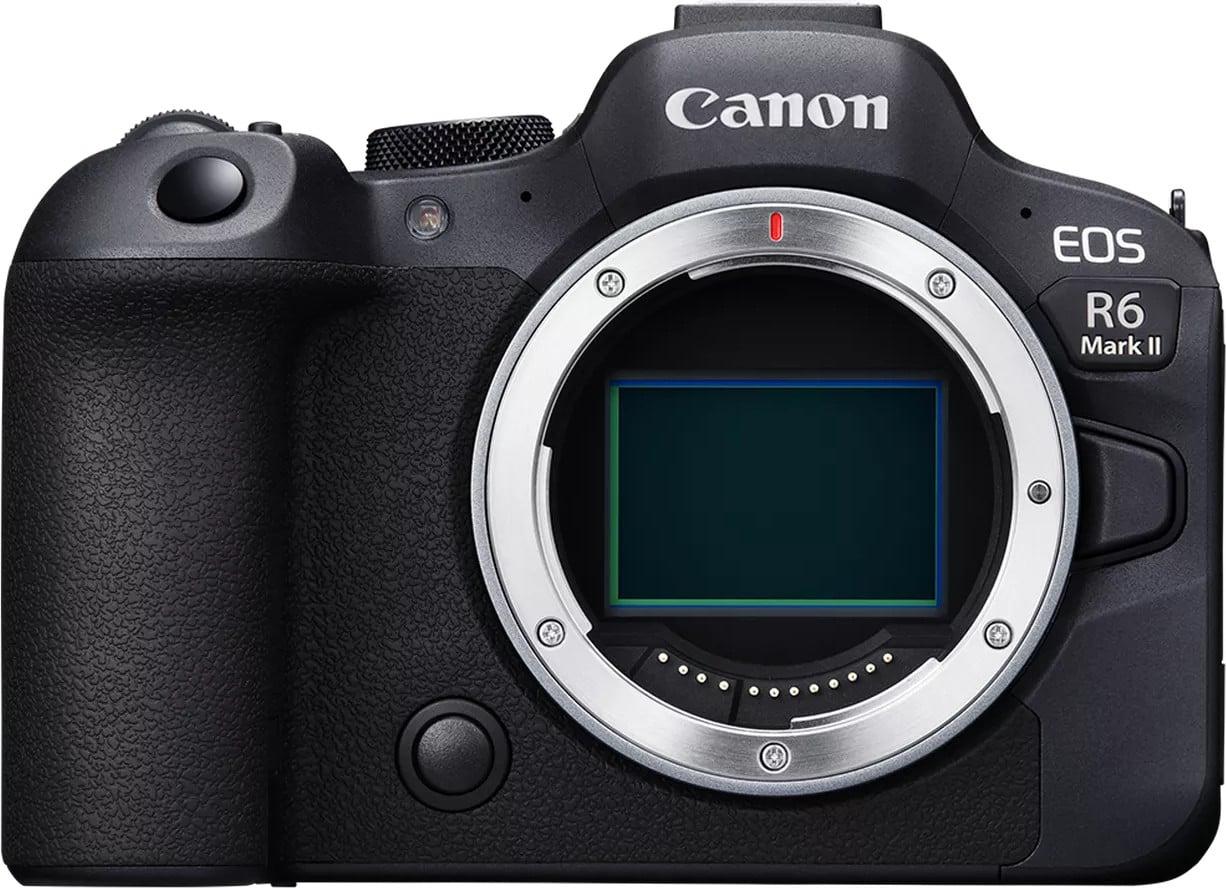
7. Canon EOS R6 Mark II Body
Canon EOS R6 Mark II Body feels like a balanced option without a clear bias in one direction. There is no feeling that the camera is "only for one thing"; it copes normally with different tasks, including macro - again, the lens decides a lot.
In use, everything is quite confident. Autofocus reacts quickly, stabilization helps avoid blur, especially when shooting handheld. The screen is flip, so you can calmly work from inconvenient points. As a result, you get a universal tool that does not require constant adjustment to yourself.
Main points:
Image stabilization
Fast and accurate autofocus
Flip screen
Support for interchangeable optics
Suitable for photo and video
Who it suits:
Those who are looking for a universal camera
Those who shoot macro and other genres
Those for whom stable operation without unnecessary settings is important
Conclusion
With macro photography there is one point that you usually don't understand right away. It's not so much about the camera itself, but about how it fits into your way of shooting. For some, a light and simple option is more convenient, so you can just go out and shoot details without unnecessary settings. Others, on the contrary, want more control and are ready to select lenses, figure things out and build a system for themselves.
If we proceed from practice, universal cameras with the ability to change optics most often turn out to be the most reasonable choice. They do not limit you and give you the opportunity to grow further. At the same time, there is no point in overpaying for functions that you will not use - in macro, stability, convenience and the ability to work at close distance are more important.
In the end, the choice comes down to a simple question: how deeply do you want to delve into the process. And from this it becomes clear whether something simple and ready-made will suit you or whether it is better to immediately look towards more flexible solutions.