

Camera for Nature Photography: How to Choose and What to Look For
March 30, 2026
Sometimes it seems that nature itself does half the work - light, colors, atmosphere. But in practice, you quickly realize: without a suitable camera, these moments simply cannot be conveyed as you see them in real life. Somewhere details are lost, somewhere the color goes the wrong way, and sometimes the frame simply does not have time to be "caught".
In this material, a list of cameras has been collected that are really suitable for shooting nature - from calm landscapes to more dynamic scenes like animals or water in motion. At the same time, we will figure out which characteristics are worth paying attention to first and where it makes no sense to overpay.
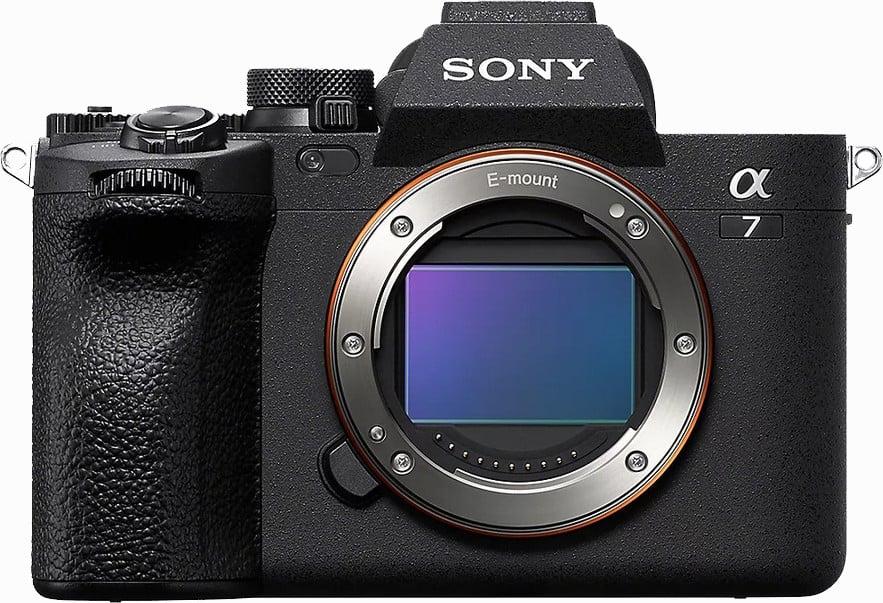
1. Sony Alpha A7 IV
Sony Alpha A7 IV is considered a universal full-frame camera with an emphasis on detail and stable operation in various conditions of nature photography. Thanks to the 33 MP sensor with back-illumination, it provides enough space for cropping - this is convenient when shooting landscapes or animals at a distance. Autofocus with a large number of points works confidently, especially in situations where the scene changes unevenly - for example, when shooting birds or moving water.
The body feels assembled with field trips in mind - protection and weight of about 650 g make it not the lightest, but at the same time more stable in the hands. Built-in stabilization helps when shooting handheld, which often happens in nature when a tripod is not used. The tilting screen simplifies shooting from low or inconvenient angles, and the dual memory card slot adds peace of mind during long shoots.
Key points:
full-frame 33 MP sensor
autofocus with 567 points
continuous shooting up to 10 frames per second
built-in image stabilization
dual memory card slot
protected body
articulating screen
Who it is suitable for:
landscape shooting with an emphasis on detail
shooting animals at a distance
working in variable lighting conditions
long trips and travels
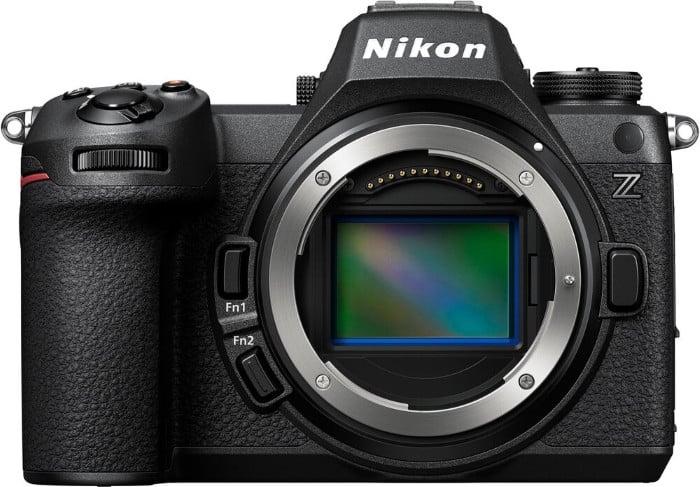
2. Nikon Z6 III
Nikon Z6 III looks like a more balanced solution, where there is no obvious bias towards one task. The 24.5 MP sensor provides enough sharpness without overloading files, which is convenient for continuous shooting. The ISO range is expanded quite widely, so the camera easily copes with morning fog, sunsets or forest shade, where there is often not enough light.
The autofocus system combines phase and contrast operation, which helps keep focus in complex scenes. Continuous shooting up to 14 frames per second gives the opportunity to catch movement - for example, animals or birds. At the same time, the articulating screen and electronic viewfinder make the process more flexible, especially when you have to shoot from non-standard angles.
Key points:
full-frame 24.5 MP sensor
ISO up to 51200 with expansion
continuous shooting up to 14 frames per second
stabilization by matrix shift
phase-contrast autofocus
articulating touch screen
4K video support
Who it is suitable for:
nature shooting with variable light
dynamic scenes, including animals
universal shooting without narrow specialization
work on trips and outdoors
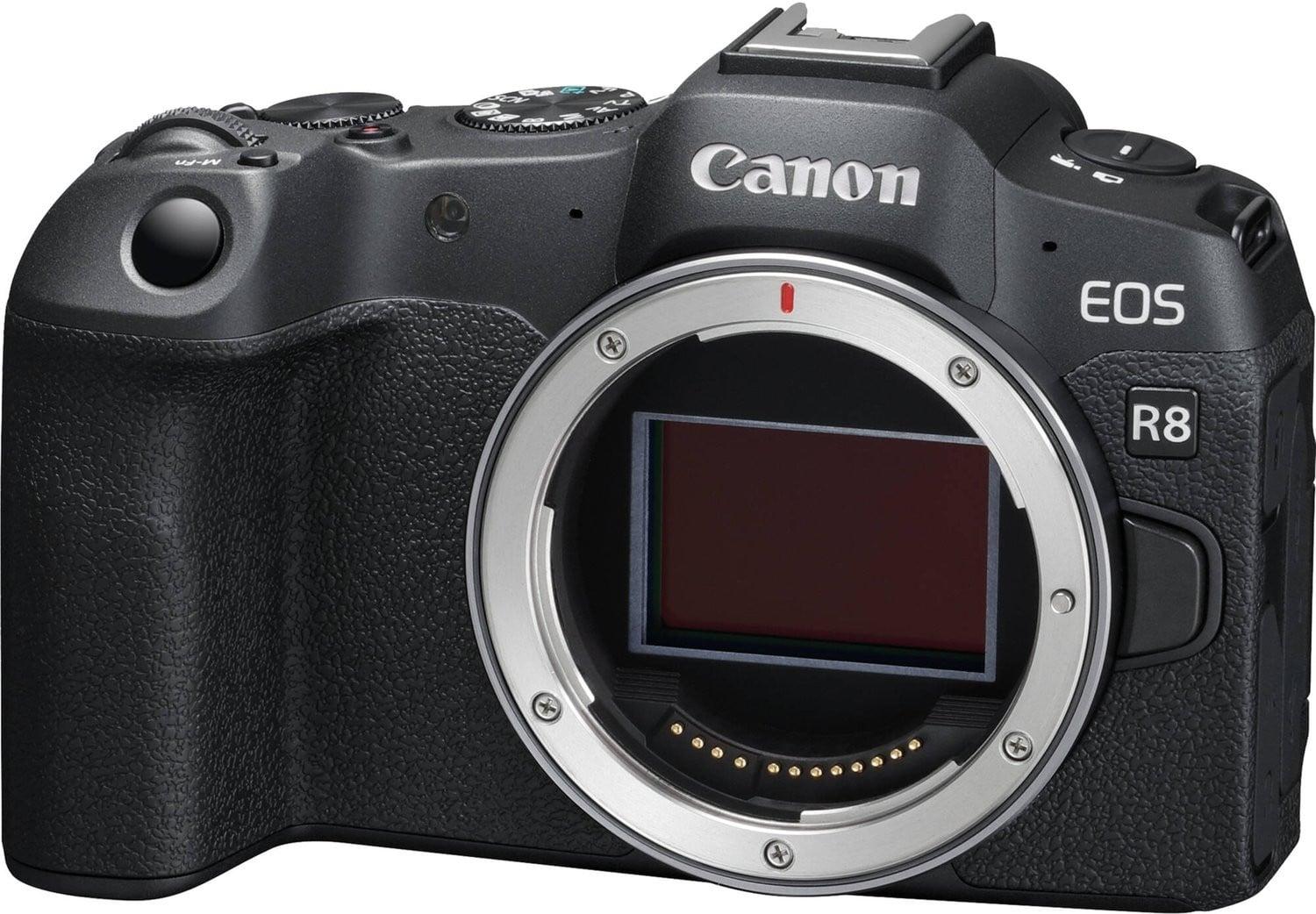
3. Canon EOS R8
Canon EOS R8 feels like a lighter and more mobile camera, which is immediately noticeable when shooting on hikes or long walks. With a weight of about 460 g, it is easier to carry with you all day. The 24 MP sensor provides a fairly clear image, and the wide ISO range allows you to shoot both in bright sun and in darker conditions, without significant loss of quality.
The continuous shooting speed here is lower than in other models, but for most natural scenes this is enough. The camera supports 4K video and has an articulating screen, which is convenient for shooting from the ground or from a height. Due to its compactness, it is more suitable for situations where mobility is important, rather than maximum technical load.
Key points:
full-frame 24 MP sensor
compact and lightweight body
ISO up to 102400
continuous shooting up to 6 frames per second
articulating touch screen
4K video support
connection via Wi-Fi and USB-C
Who it is suitable for:
shooting while traveling and hiking
light mobile work without heavy equipment
landscapes and static scenes
nature shooting without complex dynamics
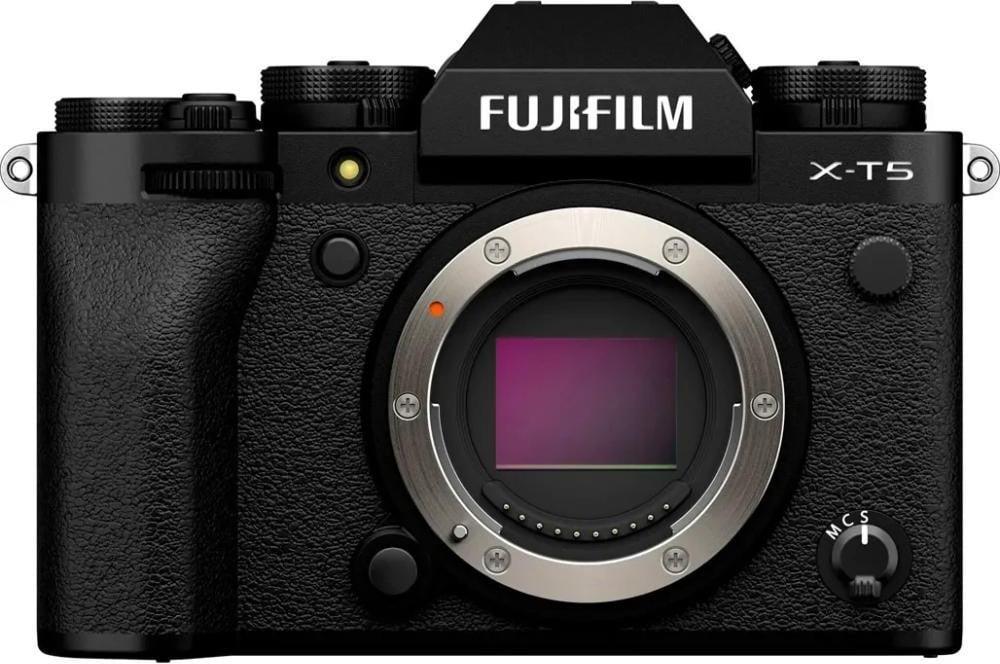
4. Fujifilm X-T5
Fujifilm X-T5 looks like a camera with an emphasis on detail and careful work with the image. The 40 MP sensor provides a lot of space for processing and cropping, which often helps when shooting nature, when there is no opportunity to get closer. At the same time, matrix-level stabilization helps maintain sharpness if shooting is done handheld, for example, in the forest or on uneven surfaces.
Continuous shooting up to 15 frames per second makes the camera suitable not only for static landscapes, but also for more lively scenes. The autofocus is combined, without sharp failures, although much depends on the lens. The articulating screen adds flexibility when shooting from the ground or from inconvenient angles. In general, the camera feels like a tool for those who work more with details, textures and calm scenes.
Key points:
40 MP sensor
stabilization by matrix shift
continuous shooting up to 15 frames per second
articulating screen
two memory card slots
RAW and JPEG support
combined autofocus
Who it is suitable for:
landscape shooting with high detail
work with textures and small details
handheld shooting without a tripod
calm scenes of nature
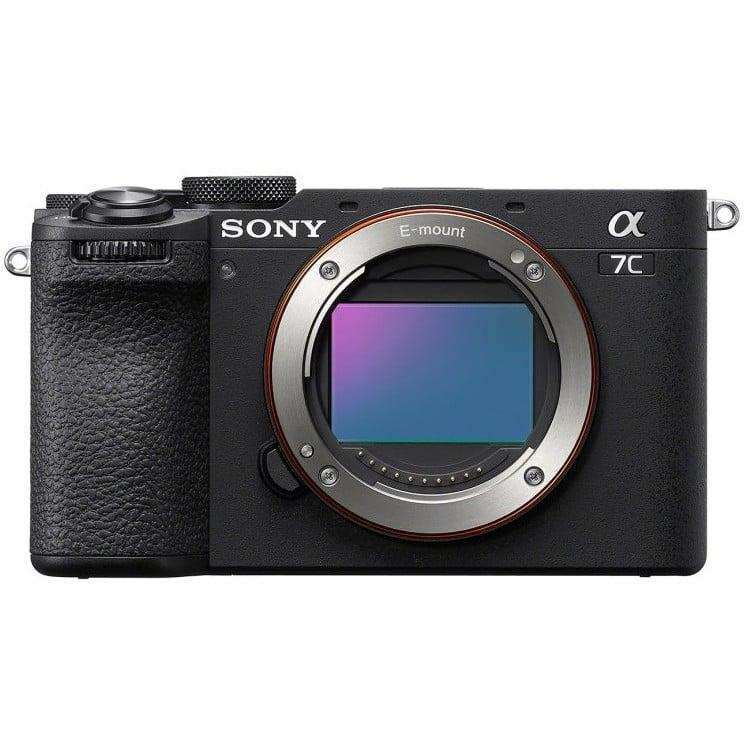
5. Sony Alpha a7C II
Sony Alpha a7C II is perceived as a compact camera that does not require a separate bag for itself. Thanks to the full frame and 33 MP, it provides good detail, but at the same time remains convenient to carry. This is especially felt on trips when you do not want to take heavy equipment, but at the same time need a stable result.
Autofocus works quickly and without unnecessary settings, which is important when shooting nature, where the scene can change unexpectedly. Stabilization helps with handheld shooting, and the articulating screen makes work easier in complex angles. At the same time, the camera is not overloaded with the feeling of a professional tool, rather it is an option that is calmly taken with you every day.
Key points:
full-frame 33 MP sensor
compact body
image stabilization
continuous shooting up to 10 frames per second
articulating touch screen
Wi-Fi and Bluetooth
two memory card slots
Who it is suitable for:
shooting while traveling
mobile work without extra weight
universal nature shooting
handheld shooting in different conditions
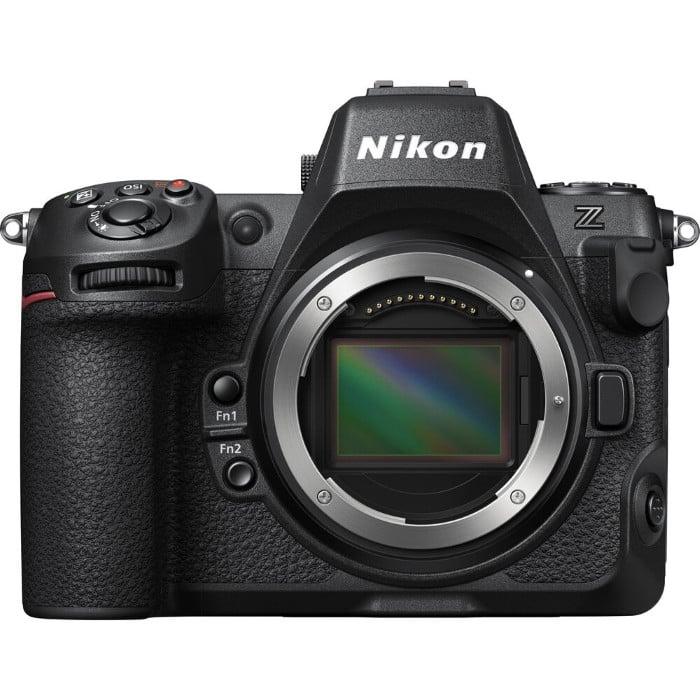
6. Nikon Z8
Nikon Z8 feels like a camera with a reserve of capabilities, especially when it comes to shooting nature in different formats. The 45.7 MP sensor provides very dense detail, which is convenient for wide landscapes or subsequent cropping. At the same time, the high continuous shooting speed allows you to work with dynamics as well, for example, with animals or birds.
Stabilization and combined autofocus help maintain sharpness even in complex scenes. The camera is heavier than other options, but this is compensated by the feeling of stability and control. The articulating screen and electronic viewfinder simplify work in field conditions, where it is not always possible to build a comfortable position.
Key points:
full-frame 45.7 MP sensor
continuous shooting up to 20 frames per second
stabilization by matrix shift
phase and contrast autofocus
articulating screen
8K video support
work with CFexpress and XQD cards
Who it is suitable for:
nature shooting with maximum detail
dynamic scenes and animals
work in difficult conditions
shooting with subsequent cropping
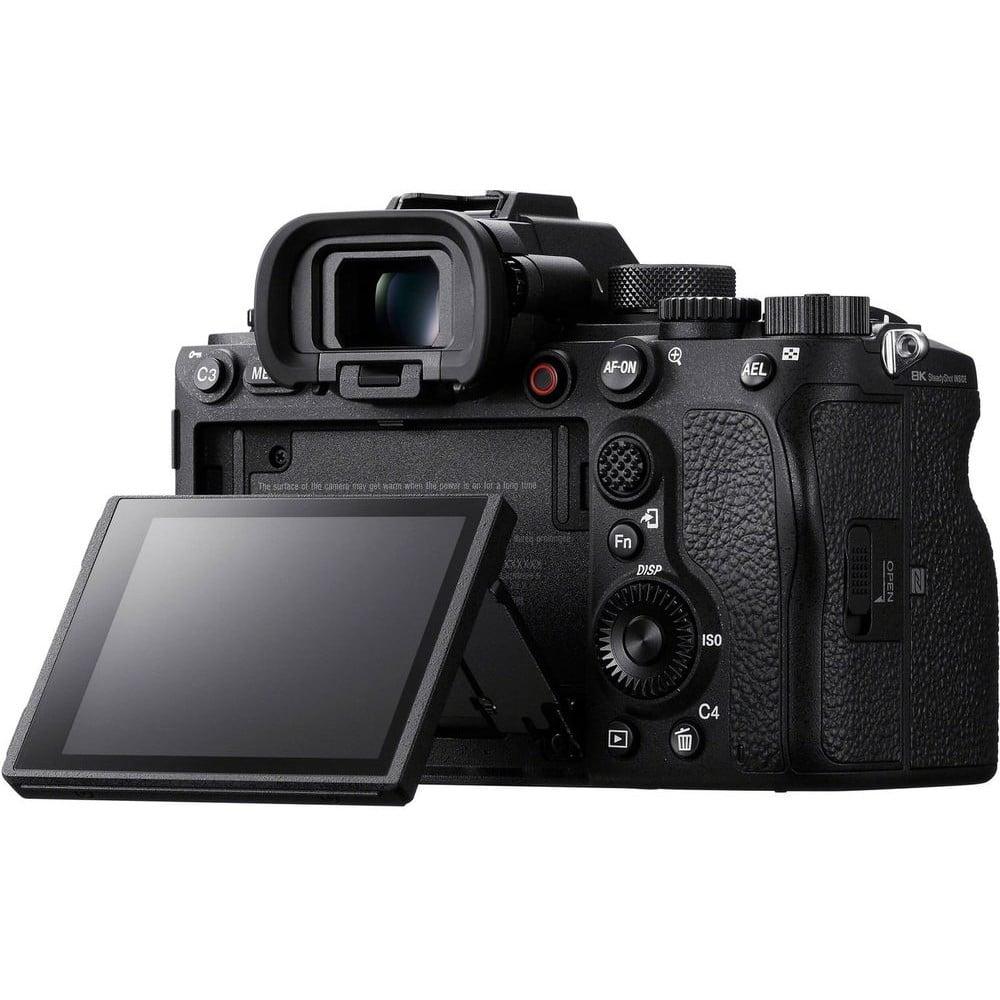
7. Sony Alpha A1
Sony Alpha A1 is perceived as a camera with an emphasis on speed and detail at the same time. The high-resolution sensor makes it possible to work with wide landscapes, where it is important to preserve small elements - grass, water texture or clouds. At the same time, fast continuous shooting allows you to switch to dynamics, for example, when birds appear in the frame or movement in nature becomes unpredictable.
Autofocus with a large number of points works stably and without sharp failures. Stabilization helps when shooting handheld, which often happens in field conditions. The body is protected and feels reliable, especially if shooting takes place in wind, dust or a humid environment. The camera is more suitable for those tasks where you do not need to choose between speed and quality, but keep both parameters at the same level.
Key points:
full-frame 50 MP sensor
continuous shooting up to 30 frames per second
5-axis stabilization
autofocus with 759 points
dual memory card slot
protected body
8K video support
Who it is suitable for:
shooting wildlife with movement
combination of landscapes and dynamics
work in difficult weather conditions
handheld shooting without loss of sharpness
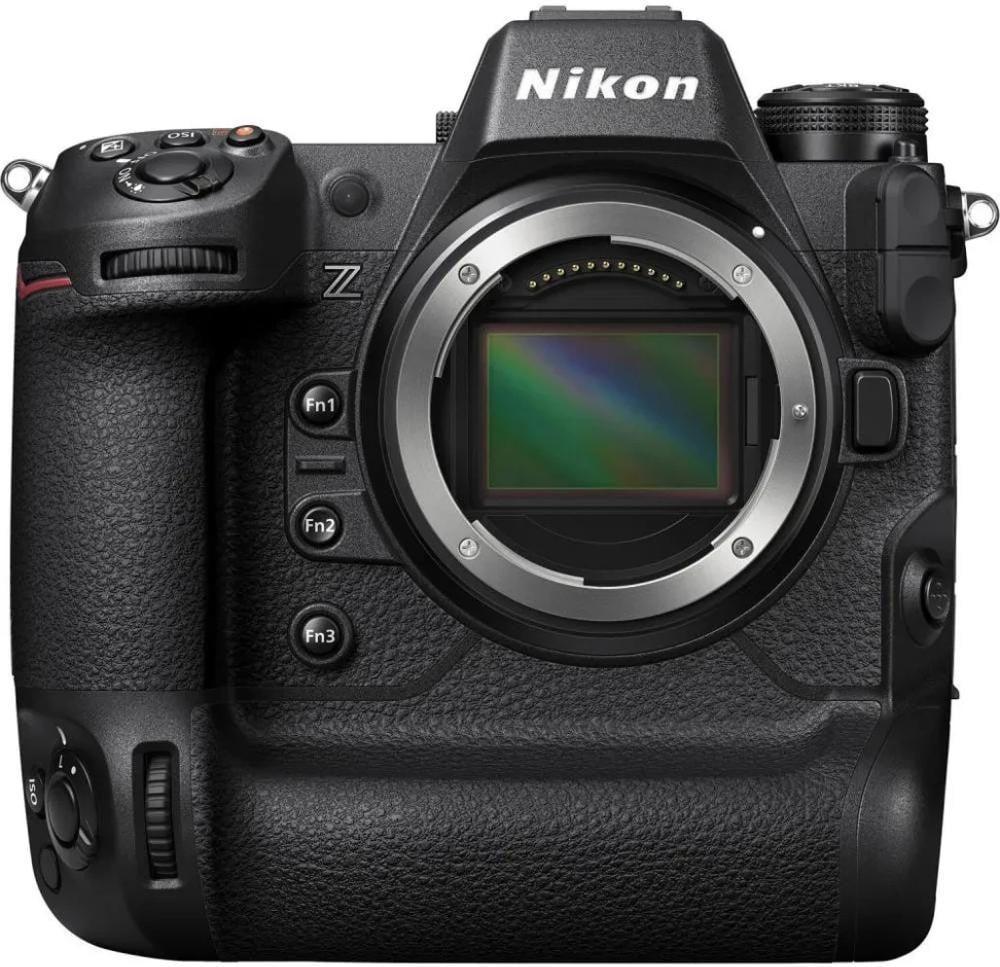
8. Nikon Z9
Nikon Z9 feels like a camera designed for intensive shooting without performance compromises. The high-resolution sensor provides dense detail, which is important for nature, especially if the frame is then cropped. At the same time, the autofocus system with artificial intelligence elements helps keep the subject in focus even in complex scenes.
The body is large and heavy, but this adds stability when shooting. The camera does not require additional accessories for vertical shooting, which is sometimes convenient in the field. The articulating screen and bright viewfinder help work in different lighting conditions. In general, it is more suitable for those who shoot often and do not want restrictions on speed and stability.
Key points:
full-frame 52 MP sensor
autofocus with AI elements
dual memory card slot
articulating screen
durable body
OLED electronic viewfinder
convenience of vertical shooting
Who it is suitable for:
regular nature shooting
work with dynamic scenes
shooting in difficult conditions
long shooting sessions
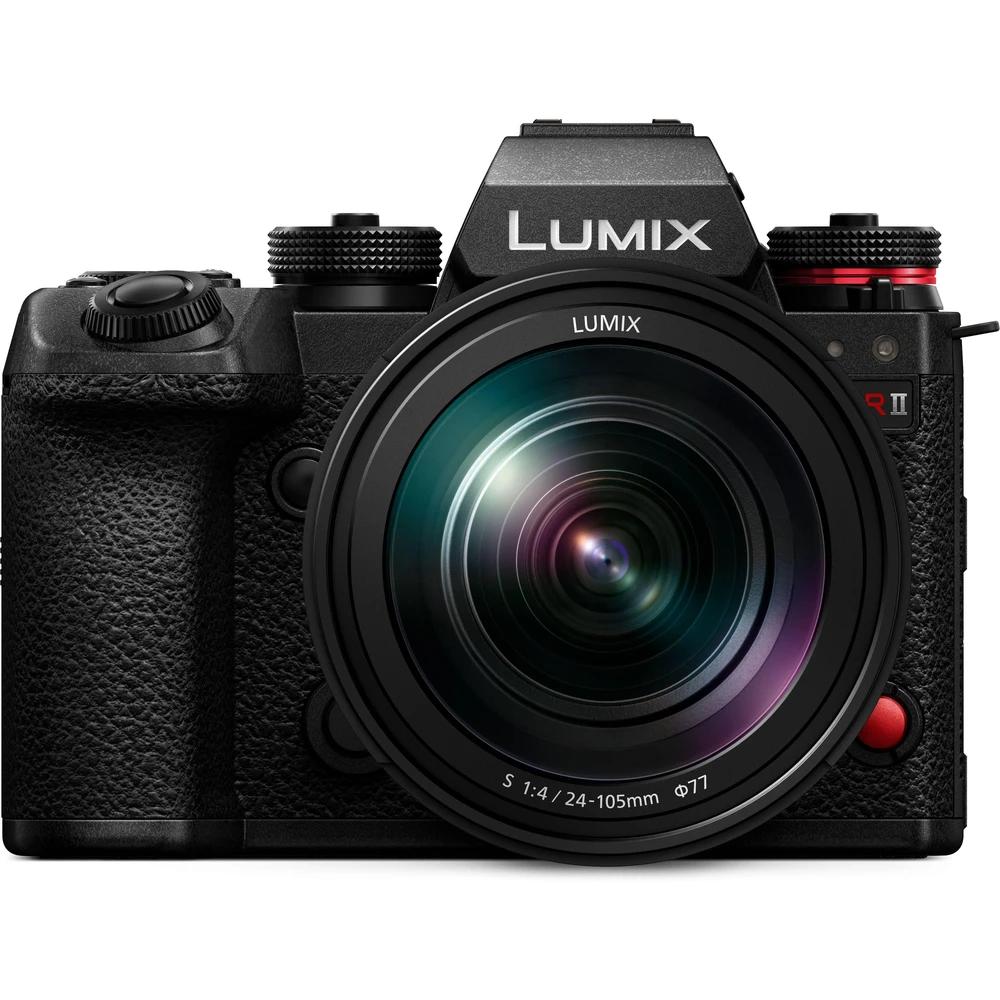
9. Panasonic Lumix S1R II + 24-105mm
Panasonic Lumix S1R II is perceived as a camera with an emphasis on maximum detail and versatility thanks to the kit with a lens. The high-resolution sensor provides a dense image, which is suitable for landscapes and macro scenes where small details are important. The 24-105 mm lens covers most situations - from wide views to more close-up shots.
Stabilization works effectively and helps to shoot without a tripod, especially in calm conditions. Autofocus with a large number of points behaves predictably, without sharp jumps. The camera is protected from external conditions, which makes it more convenient for field shooting. In general, it is perceived as an option for those who want one kit for different nature scenarios.
Key points:
full-frame 44.3 MP sensor
universal 24-105 mm lens
5-axis stabilization
autofocus with 779 points
protected body
dual memory card slot
8K video support
Who it is suitable for:
landscape and macro shooting
universal nature shooting
work without changing lenses
shooting in different weather conditions
Conclusion
If you look at all the options together, it becomes clear that there is no universal answer here. Nature shooting is too different scenarios: today it is a calm landscape at sunset, tomorrow - an attempt to catch a bird in motion, and the day after tomorrow - details like leaves or stone textures. The camera feels different for each task.
Usually the choice comes down not to which model is "better", but to how it fits into a specific shooting style. For some, high detail and the ability to crop are more important, for others - speed and autofocus, and someone simply does not want to carry heavy equipment all day. And this is normal logic, not a compromise.
Such selections in general help to narrow the circle and see the difference without unnecessary noise. When the models are side by side and broken down to the essence, it is easier to understand what is really important and what can be safely ignored. As a result, the decision usually becomes more conscious - not according to the list of characteristics, but according to how the camera will behave in real shooting.