

Best Cameras For Streaming and Live Broadcasts in 2026
March 30, 2026
In 2026, one webcam or even a smartphone is no longer enough for a decent stream. More and more people are switching to full-fledged cameras - they provide a noticeably cleaner picture, natural colors, and allow you to connect a proper external microphone. The main thing is that the camera fits comfortably in the hand or is securely fixed on a surface, does not get too hot during long broadcasts, and works well in ordinary room lighting.
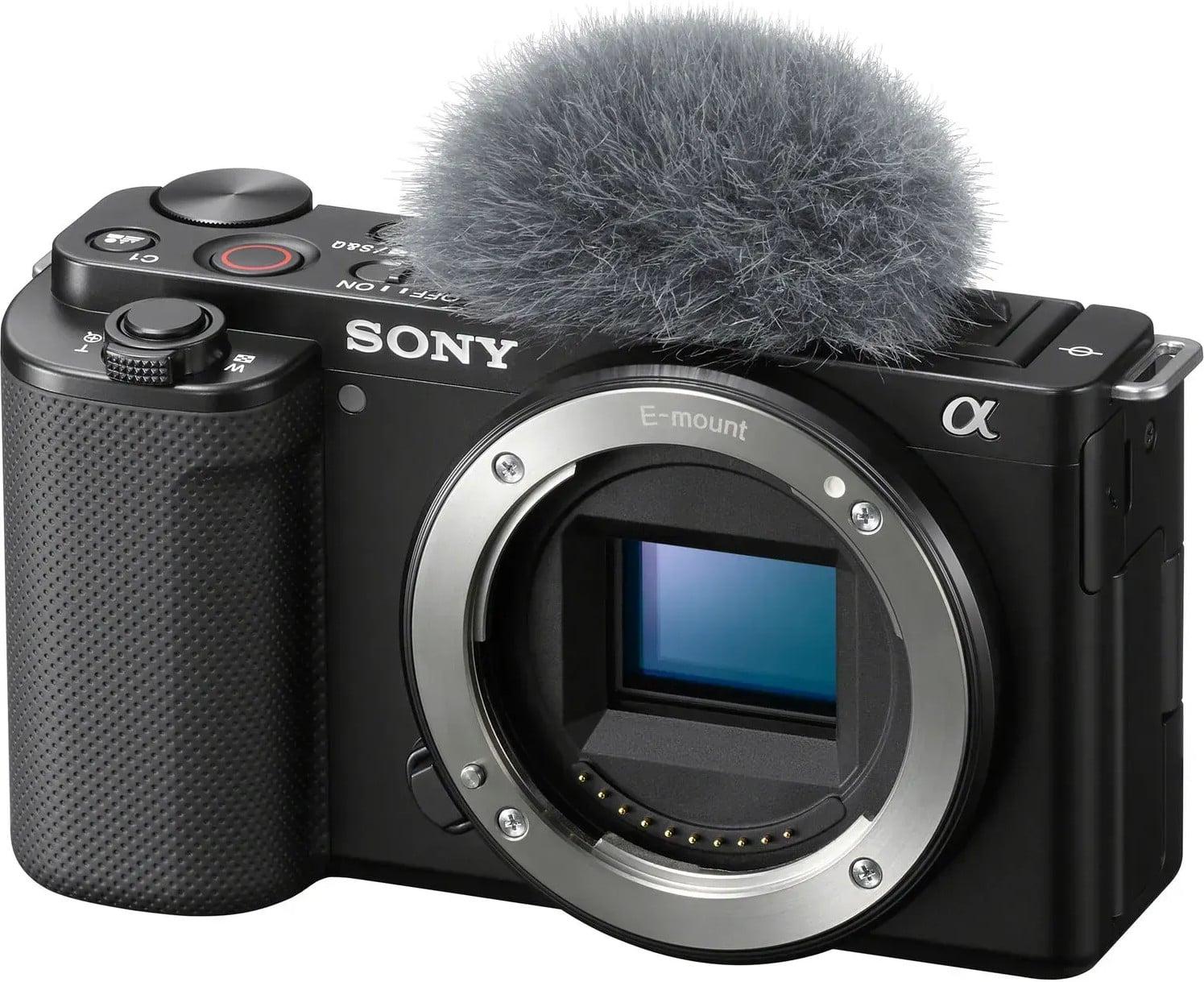
1. Sony ZV-E10 Body
Sony ZV-E10 Body - a compact camera for streaming. It is very lightweight, so it is comfortable to hold in your hand even for several hours in a row. The Sony E mount allows you to change lenses depending on the lighting in the room. The picture comes out clean, and the colors look natural in ordinary room lighting.
The microphone input allows you to connect an external microphone so that your voice sounds clear and without extraneous noise. Files are quickly transferred to the phone, so after the stream you don't have to spend a long time fiddling with transferring the material.
Features:
24-megapixel CMOS sensor measuring 23.5 × 15.6 mm
4K recording with HDR
Maximum photo resolution 6000 × 4000
Microphone input
Sony E mount (compatibility with 60 lenses)
Weight 343 grams
Bluetooth
H.264 video compression
Advantages:
Light weight almost does not tire the hand during long broadcasts.
Interchangeable lenses allow you to quickly adapt to the lighting.
An external microphone noticeably improves sound quality.
Fast file transfer to the phone saves time.
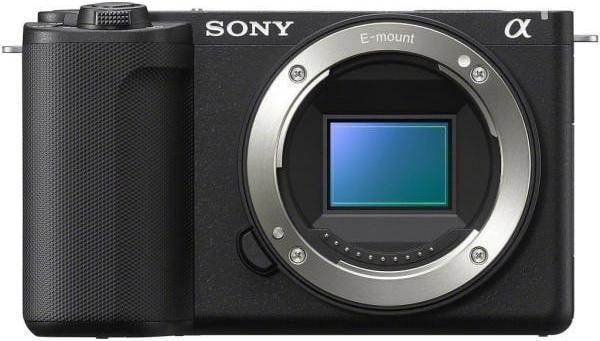
2. Sony ZV-E10 II Body
Sony ZV-E10 II Body - an updated model for those who shoot video. The matrix works well even in not the brightest lighting, with little noise. When there is a lot of movement in the frame, continuous shooting helps.
The flip-out touchscreen gives you the ability to see yourself from any convenient angle. Autofocus quickly catches and holds the face, even if you move a little. Wi-Fi and Bluetooth simplify video transfer to a computer or phone.
Features:
26-megapixel Exmor R CMOS matrix measuring 23.3 × 15.5 mm
4K up to 30 fps, Full HD up to 120 fps
Maximum photo resolution 6192 × 4128
ISO 100-32000 (expandable to 102400)
3-inch flip-out touchscreen (921,600 dots)
Hybrid autofocus with 425 points
Continuous shooting 11 frames/sec
Wi-Fi and Bluetooth
Microphone input
Shutter speed from 1/4000 sec
Advantages:
Handles weak room lighting quite well.
The flip-out screen greatly simplifies self-shooting.
Autofocus confidently holds the face during movement.
Continuous shooting helps capture fast moments.
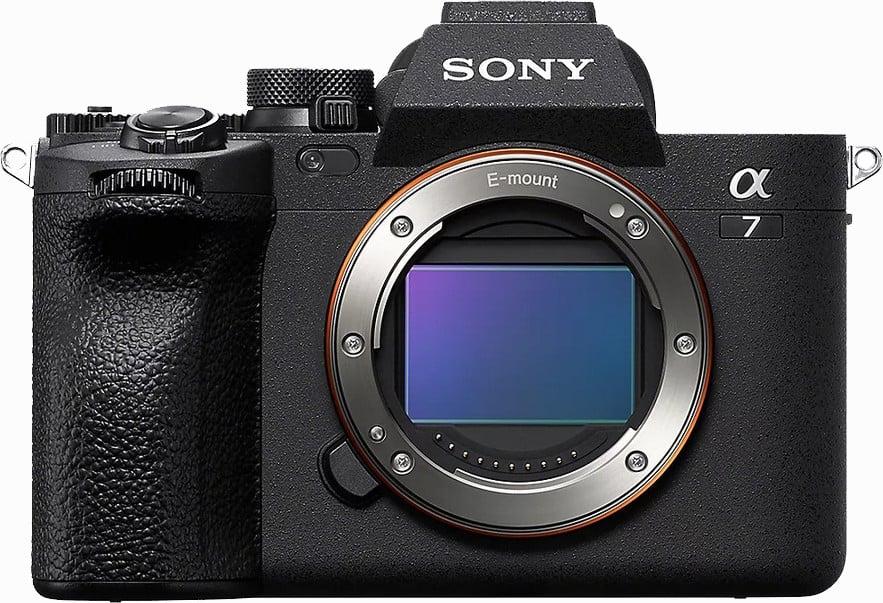
3. Sony Alpha A7 IV Body
Sony Alpha A7 IV Body - a full-frame camera with good detail. The matrix conveys natural colors and fine details even in ordinary room lighting. In-body image stabilization helps keep the frame steady when the camera sways slightly.
The electronic viewfinder and tilting screen allow precise control of the picture. Two memory card slots make it possible to record material simultaneously to two cards. Autofocus quickly and confidently finds the face.
Features:
33-megapixel full-frame CMOS matrix measuring 35.9 × 23.9 mm
Maximum photo resolution 7008 × 4672
ISO 100-32000 (expandable to 102400)
In-body image stabilization
UXGA OLED electronic viewfinder
Tilting touchscreen
Autofocus with 567 points
Continuous shooting 10 frames/sec
Two memory card slots
Microphone input
Shutter speed from 30 sec to 1/8000 sec
Advantages:
Full frame provides noticeably better quality and natural colors.
Stabilization reduces shake in the picture.
Two memory card slots add peace of mind during long streams.
Autofocus reliably keeps the face in focus.
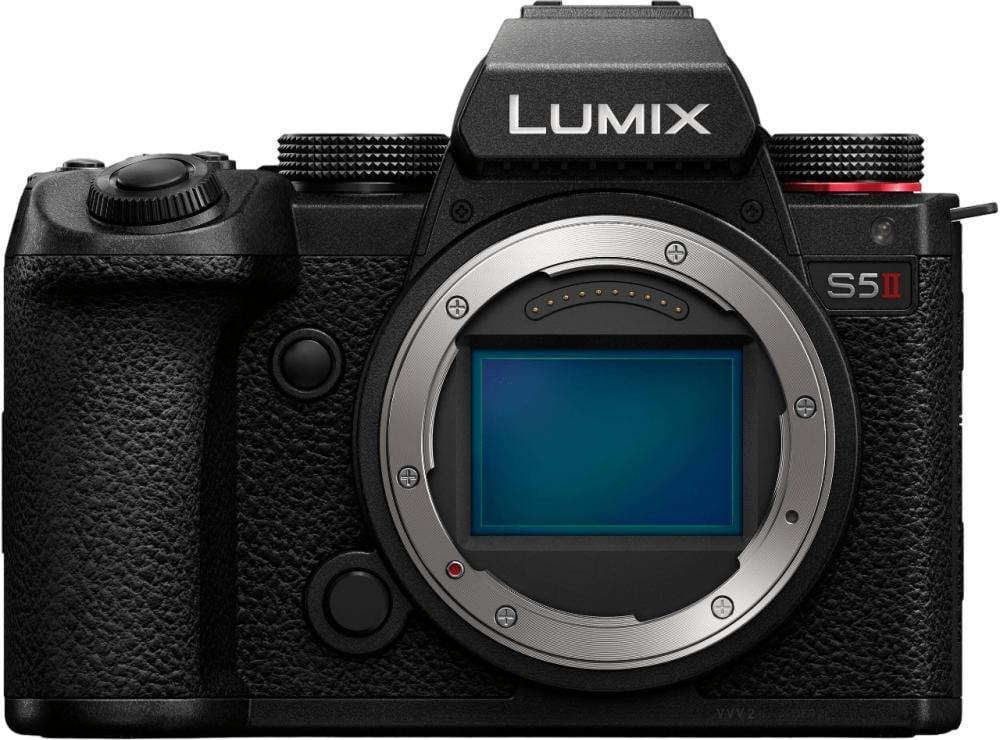
4. Panasonic Lumix S DC-S5 II Body
Panasonic Lumix S DC-S5 II Body - a full-frame model with a pleasant picture. The matrix provides good detail. In-body image stabilization makes the video smoother, even if the camera is not on the most stable tripod.
The flip-out touchscreen helps you quickly set the desired angle. Two memory card slots allow recording with a reserve. Autofocus works clearly and without noticeable misses.
Features:
24.2-megapixel full-frame CMOS matrix measuring 36 × 24 mm
Video recording up to 5952 × 3968 at 30 fps
Maximum photo resolution 6000 × 4000
ISO 100-51200 (expandable to 204800)
In-body image stabilization
3-inch flip-out touchscreen (1,840,000 dots)
Electronic viewfinder
Phase-detection autofocus
Two SD memory card slots
Microphone input
Shutter speed up to 1/8000 sec
Weight 740 grams
Advantages:
The full-frame matrix handles room lighting well.
Stabilization makes the picture noticeably smoother.
The flip-out screen is convenient for selfie streams.
Two memory card slots reduce the risk of losing material.
Conclusion
In general, choosing a camera for streaming ultimately comes down to simple things: how comfortable it is to hold the camera in your hand during a long broadcast and what kind of picture you need at the output.
Lightweight compact models come in handy when the stream lasts for several hours in a row and your hand should not get tired. Full-frame options handle lighting in an ordinary room better and deliver a more pleasant, voluminous picture.
The main thing is not to get hung up on a huge number of megapixels and complex numbers. Often it is enough to have a comfortable grip, confident face autofocus, and the ability to connect a proper external microphone. Everything else is usually solved by proper lighting and good sound.
After all, the best camera is the one that is regularly taken out and used, not the one that gathers dust in a box.