

Dental Photography Camera: How to Choose and Not Complicate Your Work
March 30, 2026
Dental photography quickly ceases to be an "additional option" and becomes a regular part of the work - like X-ray or impressions. The photo captures the result, helps explain the treatment plan to the patient and simply brings order to the documentation. But here is the paradox: choosing a camera seems not difficult, but then it turns out that without the rest of the equipment it is almost useless.
Therefore, in this material we will talk not just about a list of devices. Here we will rather talk about an approach through sets - when the equipment is selected as a bundle, and not separately. That is, it is important not only which camera to take, but also how it will work in the system with other elements, so that in the end everything is convenient, predictable and does not slow down the appointment.
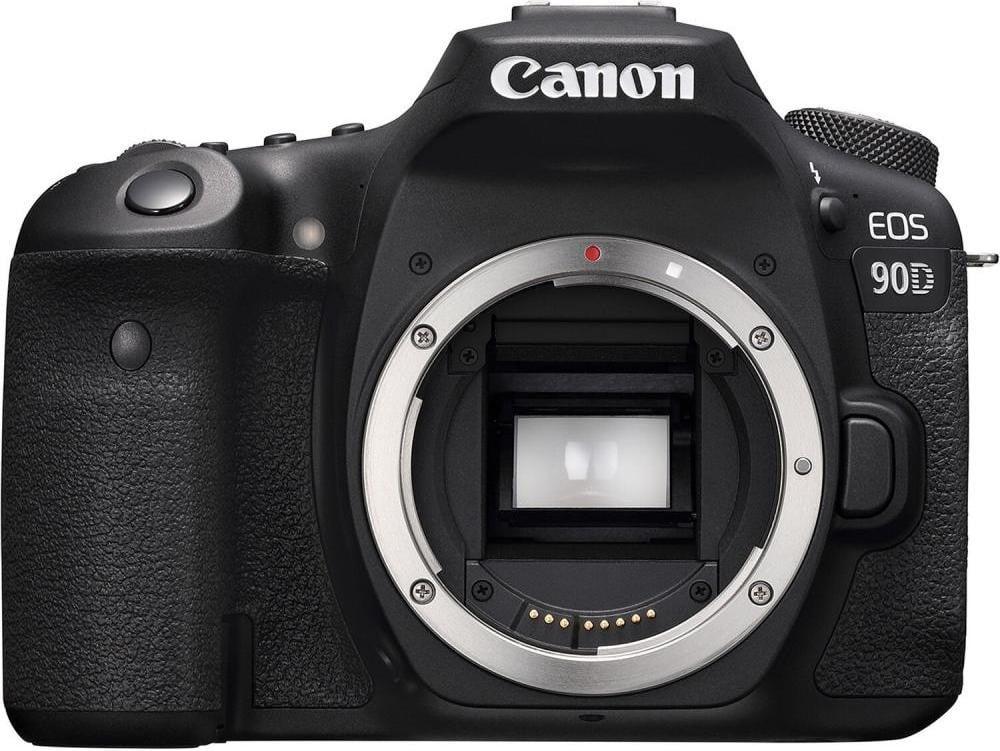
1. Canon EOS 90D
Canon EOS 90D - a DSLR camera with a 32 MP APS-C sensor and DIGIC 8 processor, which gives a clear and detailed image with the right settings. In dentistry, this is important not so much because of the "beauty" of the frame, but because of accuracy - the shots must convey the condition of the teeth without loss of details. The camera works stably in manual mode, which allows you to get the same result from patient to patient.
Canon EOS 90D Body supports wireless functions, which simplifies the transfer of shots, and the optical viewfinder gives familiar frame control without delays. At the same time, the camera itself does not solve the task completely - it works as a base, to which the lens and light are then selected. Without this, it does not reveal itself in clinical photography.
Key points:
APS-C sensor 32 MP
DIGIC 8 processor
ISO range 100-25600
optical viewfinder
continuous shooting up to 10 fps
4K video
Wi-Fi, NFC, Bluetooth
Who it is suitable for:
dentists who need stable detailing
clinics with regular photo fixation
work with manual settings
assembling a complete set for shooting
Recommended kit:
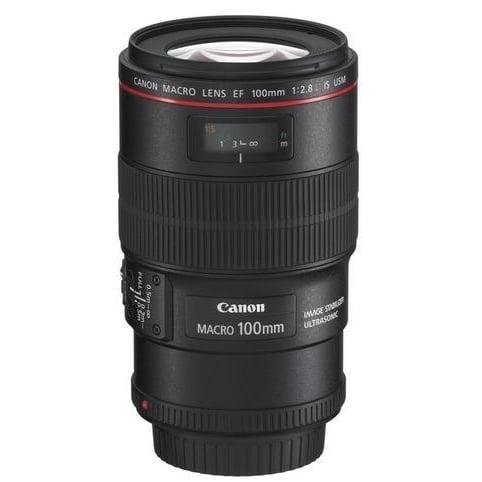
Canon EF 100mm f/2.8L Macro IS USM
Canon EF 100mm f/2.8L Macro IS USM - a macro lens with a fixed focal length of 100 mm, designed for shooting at 1:1 scale. It works well in conjunction with the Canon EOS 90D Body, because it allows you to get large and accurate images without distortions, while maintaining a comfortable distance from the patient.
Canon EF 100mm f/2.8L Macro IS USM is equipped with ultrasonic autofocus and optical coating, which helps reduce glare. In dental photography, this is especially noticeable on enamel and wet surfaces. The lens is not used separately - it reveals itself precisely in the kit with the camera and additional light.
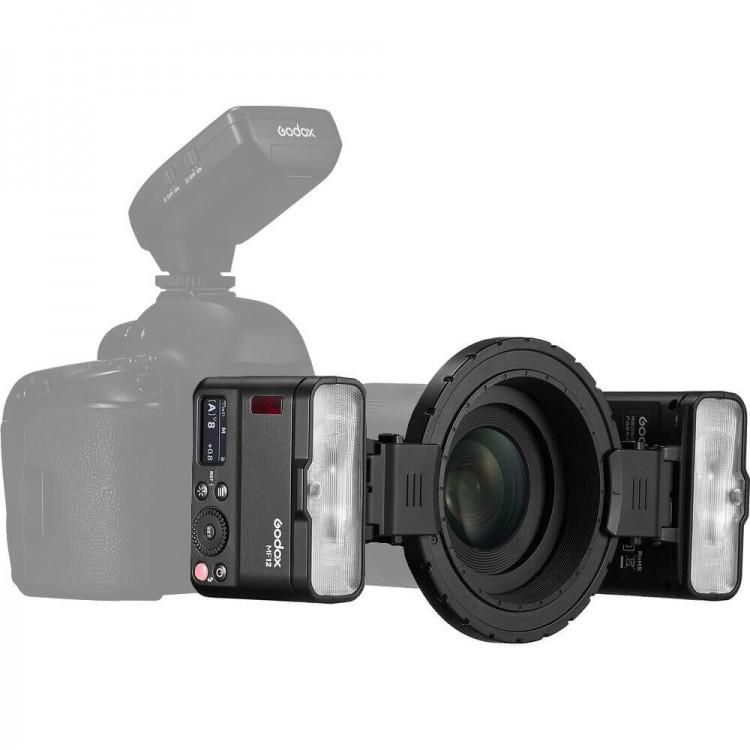
Godox MF12 K2 Kit
Godox MF12 K2 Kit - a set of macro flashes that complements the bundle with the Canon EOS 90D Body and the macro lens, closing the issue of lighting. Without such light, even a good lens does not give a stable result, because shadows and uneven illumination appear.
Godox MF12 K2 Kit includes two compact flashes and a set of accessories for setting up the light. This allows you to place the sources closer to the object and control the direction of lighting. In combination with the camera and macro lens, this kit completes the set and makes shooting predictable in different conditions.
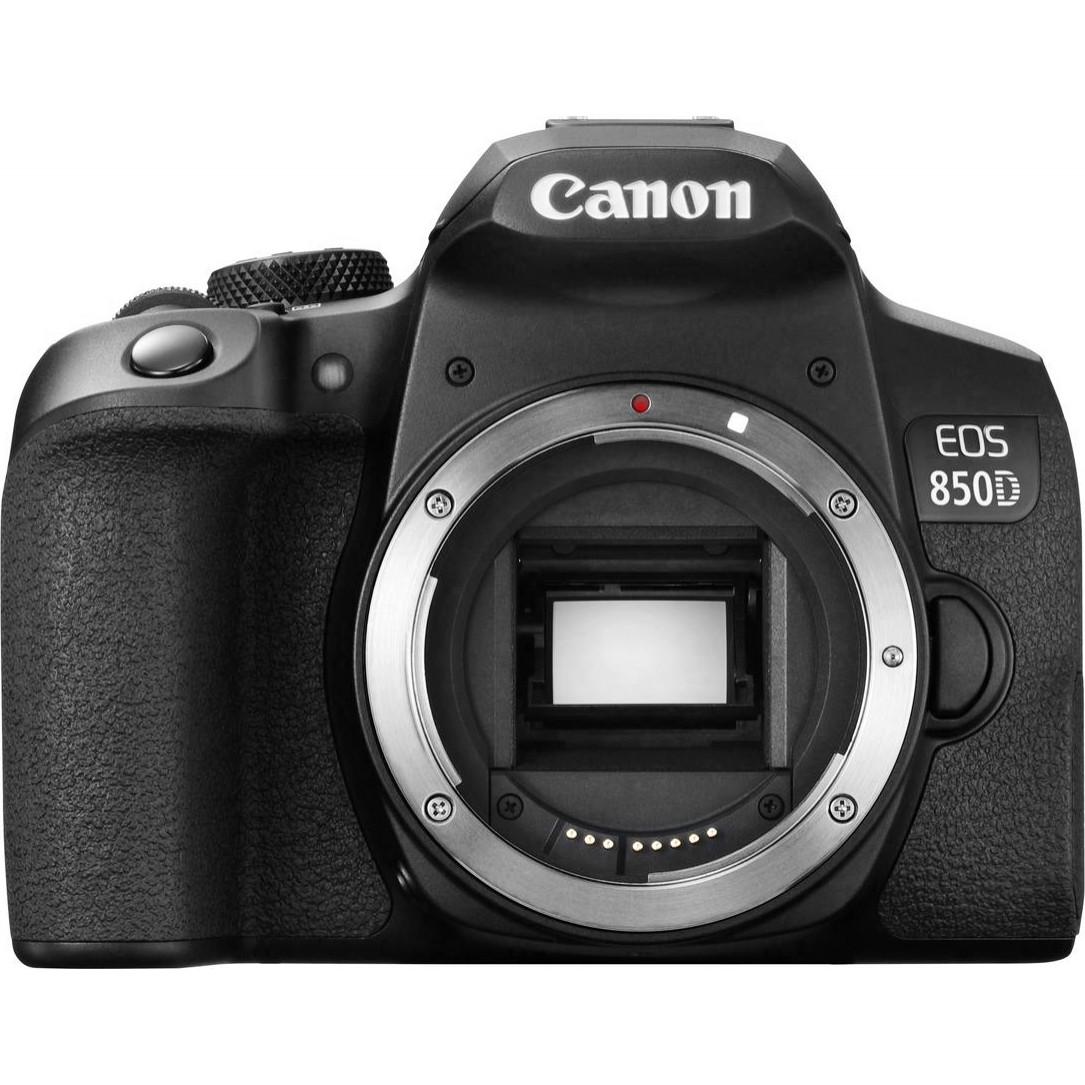
2. Canon EOS 850D
Canon EOS 850D - a digital DSLR camera with a 24 MP APS-C sensor, which gives a sufficiently clear image for clinical photography with stable settings. In dentistry, it is used as a base, where speed or effects are not important, but a repeatable result. The camera supports manual control of parameters, and the swivel screen and Live View mode simplify work in a limited space.
Canon EOS 850D Body is equipped with a Dual Pixel CMOS AF autofocus system, which helps maintain sharpness when shooting handheld. Built-in Wi-Fi and Bluetooth modules allow you to transfer shots without extra steps. At the same time, the camera itself does not cover all tasks - it works as the basis of the set and requires a macro lens and external light for full dental photography.
Key points:
APS-C sensor 24 MP
Dual Pixel CMOS AF autofocus
ISO range 100-25600
swivel touch screen
built-in stabilization
Wi-Fi and Bluetooth
4K video recording
Who it is suitable for:
dentists who need an understandable basic camera
clinics with regular photo fixation
work in manual mode with parameter control
assembling a set with a macro lens and external light
Recommended kit:
Canon EF 100mm f/2.8L Macro IS USM
Canon EF 100mm f/2.8L Macro IS USM - a macro lens with a fixed focal length of 100 mm, which is used for shooting at 1:1 scale. In conjunction with the Canon EOS 850D Body, it makes it possible to get large and accurate images without noticeable distortions. Such a distance is convenient in work, because it does not require too close contact with the patient.
Canon EF 100mm f/2.8L Macro IS USM is equipped with an ultrasonic autofocus drive and optical coating, which reduces glare. This helps preserve detailing on the surface of teeth and soft tissues. The lens reveals itself precisely in the system - together with the camera and additional lighting, and not as a separate solution.
Godox MF12 K2 Kit
Godox MF12 K2 Kit - a set of macro flashes that complements the bundle with the Canon EOS 850D Body and the macro lens, closing the issue of lighting. Without directed light, even with good optics, shadows and uneven illumination appear, due to which part of the details is lost.
Godox MF12 K2 Kit includes two compact flashes and a set of accessories for setting up the light. This allows you to place the sources closer to the object and control the lighting from different sides. In combination with the camera and macro lens, the kit makes shooting more predictable and stable in clinic conditions.
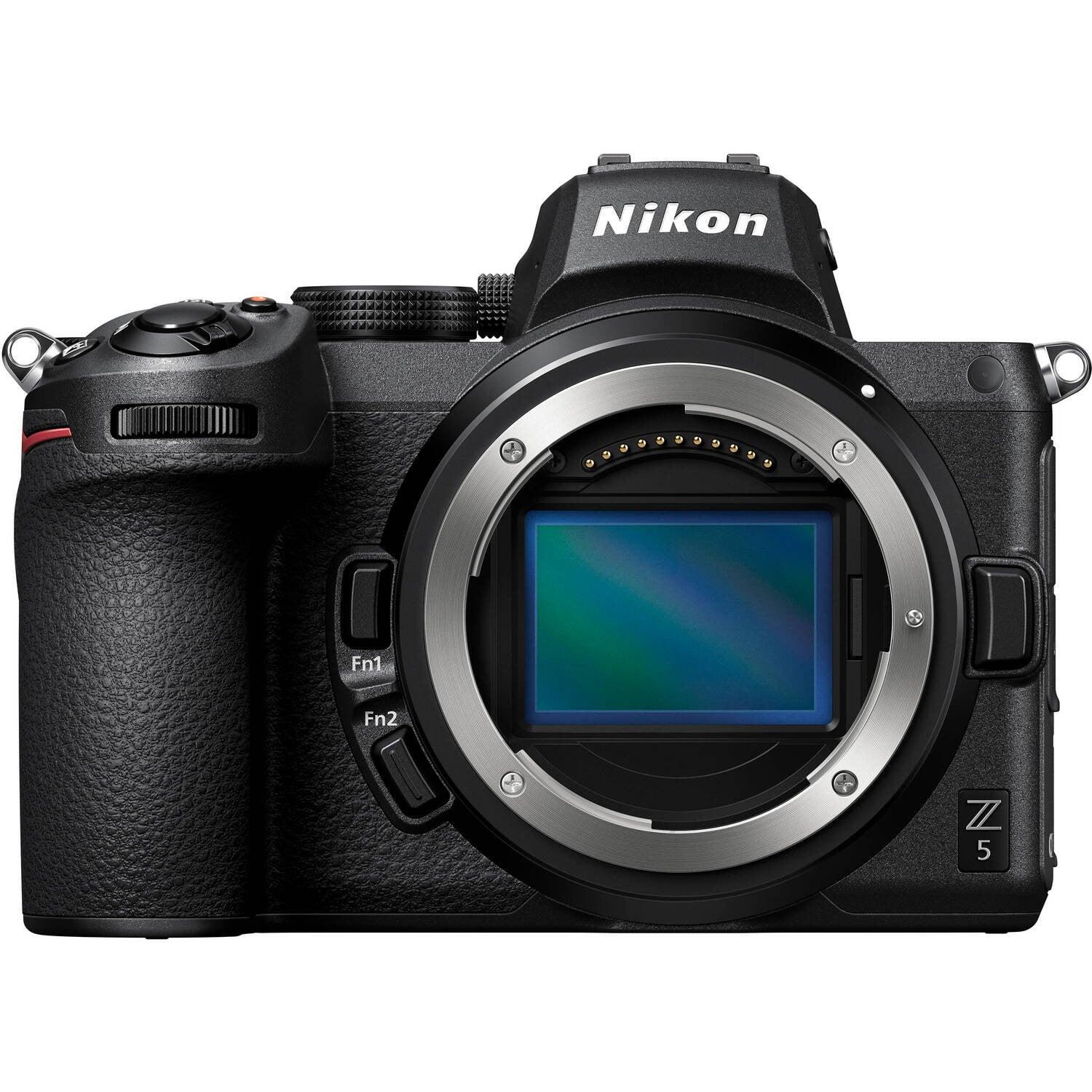
3. Nikon Z5
Nikon Z5 - a mirrorless camera with a full-frame 24 MP sensor, which is used as a base for shooting with high detailing. In dentistry, this is important for accurate fixation of the condition of teeth and soft tissues without loss of small details. The camera supports manual settings and gives a stable result under repeatable shooting conditions.
Nikon Z5 Body is equipped with 5-axis stabilization and a hybrid autofocus system, which helps maintain sharpness when working handheld. The presence of Wi-Fi and Bluetooth makes image transfer easier. At the same time, the camera works as part of a set and requires a macro lens and additional light for full clinical photography.
Key points:
full-frame sensor 24 MP
5-axis image stabilization
hybrid autofocus
ISO range 100-51200
Wi-Fi and Bluetooth
two memory card slots
Who it is suitable for:
dentists who need high detailing
work with repeatable shooting conditions
clinics with regular photo fixation
assembling a set with a macro lens and external light
Recommended kit:
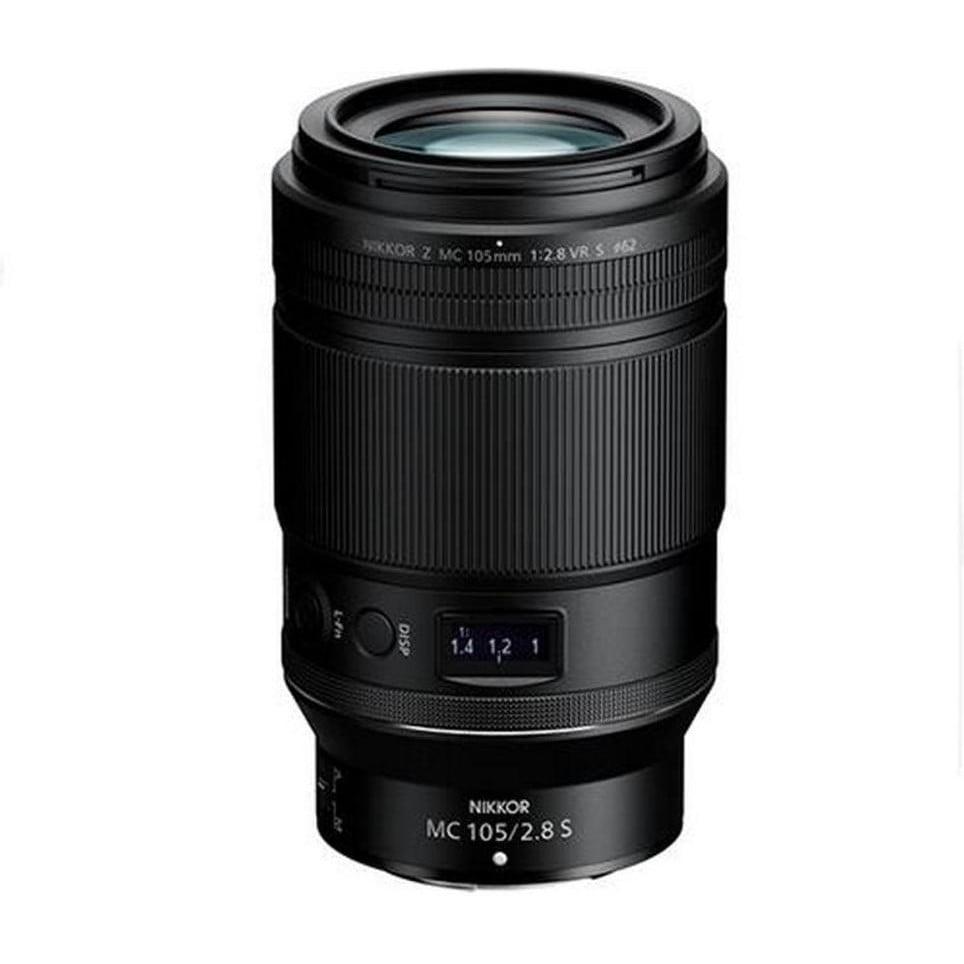
Nikon Z MC 105mm f/2.8 VR S
Nikon Z MC 105mm f/2.8 VR S - a macro lens with a focal length of 105 mm, which is used for shooting at 1:1 scale. In conjunction with the Nikon Z5 Body, it allows you to get large images without noticeable distortions, maintaining a comfortable distance when working with the patient.
Nikon Z MC 105mm f/2.8 VR S is equipped with optical stabilization and a stepping autofocus, which helps maintain sharpness during shooting. The construction is protected from dust and moisture, and the optical scheme is designed for accurate detail transmission. The lens works as part of the system and reveals itself together with the camera and additional lighting.
Conclusion
In dental photography, everything quickly comes down to one simple conclusion - the camera itself does not solve anything. You can take a normal body, but without a suitable lens and light the result will be random. And vice versa, when the whole bundle is assembled correctly, the process becomes calm and predictable, without extra attempts to "catch the frame".
Usually the choice is not based on characteristics, but on tasks. For some it is important to simply record the stages of treatment, for others - to make neat cases for working with patients. This is what the set is selected for, where the camera, lens and light do not interfere with each other, but work as a single whole.
This material is exactly what is needed so as not to figure it out blindly. Instead of assembling the kit piece by piece and then redoing it, it is easier to immediately understand what a working system looks like and what it consists of. This saves time and, to be honest, nerves as well.