

Ricoh GR IV Monochrome Review 2026: A Black-and-White-Only Camera
May 8, 2026
In short: the Ricoh GR IV Monochrome is a dedicated monochrome camera with a dedicated 25.74 MP APS-C sensor without a color filter, delivering exceptional detail and noise reduction in black-and-white photography. Weighing 262 g and with 53 GB of internal memory, it offers the compactness of the classic GR series, but at $2,199.95—approximately $600 more than the color version.
Ricoh has released a camera that deliberately forgoes color. The Ricoh GR IV Monochrome isn't just a monochrome shooting mode; it's a fully-fledged dedicated camera with a dedicated black-and-white sensor. Sounds extreme? Perhaps. But the results are astounding.
In a world where even budget smartphones shoot in 4K, the idea of a $2,199.95 camera that can't shoot in color at all seems bold. However, for those serious about monochrome photography, this camera opens up possibilities unavailable to conventional color sensors.
What makes a monochrome sensor special
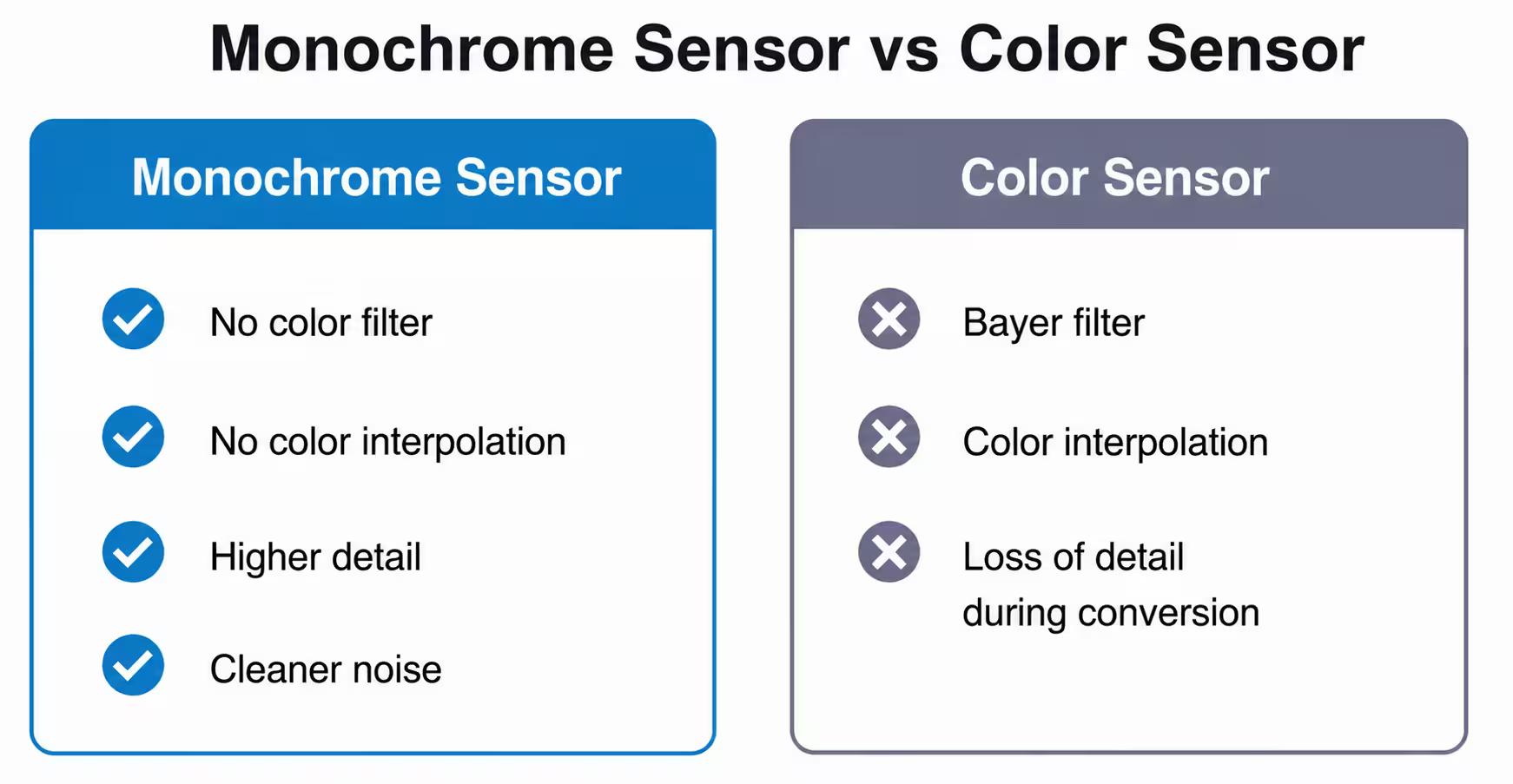
According to the official Ricoh Imaging website, the GR IV Monochrome uses a 25.74MP APS-C monochrome sensor that is completely devoid of a Bayer color filter. In conventional cameras, this filter is located in front of the sensor and is responsible for capturing color information—red, green, and blue.
By removing the filter and the color interpolation process, the monochrome sensor gains direct access to light information. The result? Each pixel captures actual luminance data, not an interpolated value.
Digital Camera World notes that noise in GR IV Monochrome images appears noticeably cleaner, even at low ISOs, compared to the color version of the GR IV converted to black and white. Detail is higher, textures are sharper, and tonal transitions are smoother.
Ricoh GR IV Monochrome and accessories at JustBuy

JustBuy is a convenient online store where you can find cameras and accessories without the hassle of searching. Our catalog features current models, including the Ricoh GR IV Monochrome and other shooting solutions.
Here you can quickly compare specifications, check availability and prices, and understand which options will suit your shooting style—from everyday snapshots to more deliberate black-and-white photography.
Looking for a camera or accessories?
At JustBuy, you can:
Select current camera and lens models
Compare specifications and choose the right option
Check availability, price, and delivery options
Place an online order or get a consultation
👉 Contact JustBuy to find the Ricoh GR IV Monochrome and everything you need for your photography.
Ricoh GR IV Monochrome Specifications
The camera retains the compact form factor that makes the GR series so beloved by street photographers. Weighs just 262g, lighter than most smartphones in cases.
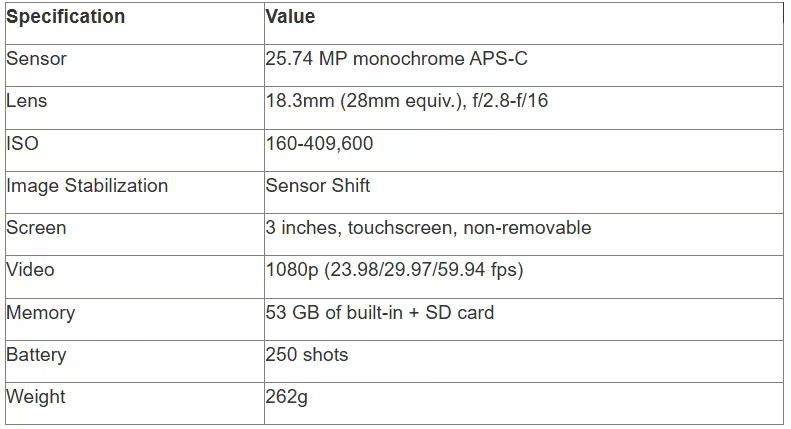
The built-in 53GB of memory is a nice feature for a compact camera. You can go out shooting without a memory card and not worry about running out of space.
The lens, with a focal length of 28mm (full-frame equivalent), remains fixed. There's no zoom. This isn't a general-purpose camera—it's a tool for a specific task.
Price: Why so expensive
The Ricoh GR IV Monochrome retails for $2,199.95 in the US—approximately $600 more than the standard color version of the GR IV. In the UK, the difference is £400, in Canada, $600, and in Australia, $1,000.
This is a significant premium for the lack of color. Why are monochrome cameras more expensive?
The first reason is production volume. Monochrome cameras are produced in limited quantities for a narrow audience. Economies of scale don't work.
The second is sensor specialization. Developing and producing a dedicated monochrome sensor requires separate investments in equipment and technology. Mass production of color sensors reduces the cost of each unit, while monochrome sensors lack this luxury.
Third, positioning. Ricoh and Leica know that their monochrome cameras are bought by professionals and enthusiasts willing to pay for specialized tools. This is a premium niche.
Design and Ergonomics
The GR IV Monochrome inherits the GR IV's compact, minimalist, and slightly rugged body. Controls are built around physical dials and buttons. No endlessly nested menus.
The camera is compatible with the GR WORLD app, which expands functionality via smartphone. File transfer, remote control, and firmware updates are all accessible via your phone.
There's no built-in flash, but you can install a compact external GF-2 flash, which adds minimal bulk to the camera. External viewfinders are also available: the GV-1 with 90% frame coverage (21mm and 28mm equivalent) and the compact GV-2 with 85% coverage.
Performance: Who is this camera for?
The Ricoh GR IV Monochrome doesn't claim to be a versatile camera. It doesn't shoot sports, doesn't record 4K video, and won't replace your main camera for commercial shoots.
But it excels in its niche: street photography, documentaries, and art projects in black and white. The camera starts instantly, focuses quickly, and lets you focus on composition and the moment.
The built-in red filter offers tonal flexibility in editing. Skies become more dramatic, and the contrast between textures is enhanced. It's a classic black and white photography tool, implemented digitally.
Ricoh GR IV Monochrome vs. the standard GR IV
Is it worth paying $600 more for the monochrome version instead of buying the standard GR IV and converting to black and white in post-processing?
If monochrome photography is your primary genre, yes. The difference in image quality is real. Reviews confirm that a monochrome sensor produces noticeably cleaner images, better detail, and a more natural noise structure.
If shooting in color is still needed at least occasionally, no. A monochrome camera cannot shoot in color. Not at all. This isn't a menu limitation; it's a physical property of the sensor.
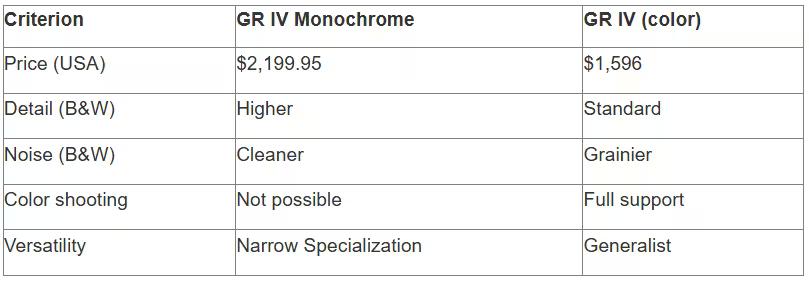
For most photographers, the color GR IV remains the more rational choice. But for those who work exclusively in black and white, the monochrome version offers a real advantage.
The Main Compromise of Monochrome Cameras
Here's the thing: a monochrome camera doesn't simply turn off color. It physically can't capture it. There's no "return to color" mode. No "what if" button.
This makes monochrome cameras a tool for informed choice, not an impulse buy. You need to know exactly why you need one.
On the other hand, this very limitation is liberating. You don't have to decide whether to convert a photo to black and white in post-production. You don't have to worry about white balance or color temperature. The camera forces you to see light, form, texture—the elements that make up the essence of black and white photography.
Verdict
The Ricoh GR IV Monochrome is a camera with character. It doesn't try to be everything to everyone. It does one thing exceptionally well: black and white photography in a compact body. For $2,199.95, you get a specialized tool that offers a real qualitative advantage over converting color photos. But only if you're willing to accept the limitations.
For street photographers, documentary filmmakers, and artists working in monochrome, this camera opens up possibilities that no color model can match. For everyone else, it's a beautiful but impractical exotica.
If you're unsure whether you need a monochrome camera, then you don't. But if you know exactly why you need one, there's simply no other choice in a compact format.
Frequently Asked Questions
Can the Ricoh GR IV Monochrome shoot in color?
No. The camera has a monochrome sensor without a color filter and is physically incapable of recording color information. All images are created exclusively in black and white.
What is the advantage of a monochrome sensor over a conventional sensor?
A monochrome sensor does not use a Bayer color filter and does not require color interpolation. Each pixel captures real brightness data, resulting in greater detail, cleaner noise, and smoother tonal transitions compared to a conventional color camera.
What is the built-in memory capacity of the GR IV Monochrome?
The camera has 53 GB of built-in memory, allowing you to shoot even without an SD card. SD cards are also supported for expanded storage.
Is this camera suitable for video recording?
The Ricoh GR IV Monochrome only supports Full HD 1080p video recording at 23.98, 29.97, or 59.94 fps. The camera is primarily focused on photography, not professional videography.
What's the difference between the GR IV Monochrome and the Leica M Monochrom?
The main differences are size, system, and price. The Leica M Monochrom is a full-frame rangefinder camera with interchangeable lenses and a price tag of $8,000. The Ricoh GR IV Monochrome is a compact APS-C camera with a fixed 28mm lens and a price tag of approximately $2,199.95. Ricoh makes monochrome photography more accessible and portable.
What is the battery life of the camera?
The official battery life is approximately 250 shots on a single charge. With active use of the display, Wi-Fi, and other features, actual battery life may be reduced, so it is recommended to have a spare battery.