

Top Cameras for Portrait Photography: What Really Matters
January 17, 2026
A good portrait starts not with the camera, but with emotion. But when the gear fails — focus blurs, skin tones look strange, or details get “eaten” — no mood can save the shot anymore. That’s why choosing the right camera for portrait photography still matters.
In this article, we’ve collected cameras that feel truly confident in portrait work: they handle skin tones correctly, lock eyes precisely, and deliver beautiful, soft background blur without endless fiddling with settings. This isn’t just a list of popular models — it’s a selection of gear that actually makes shooting people comfortable, whether in the studio or on location.
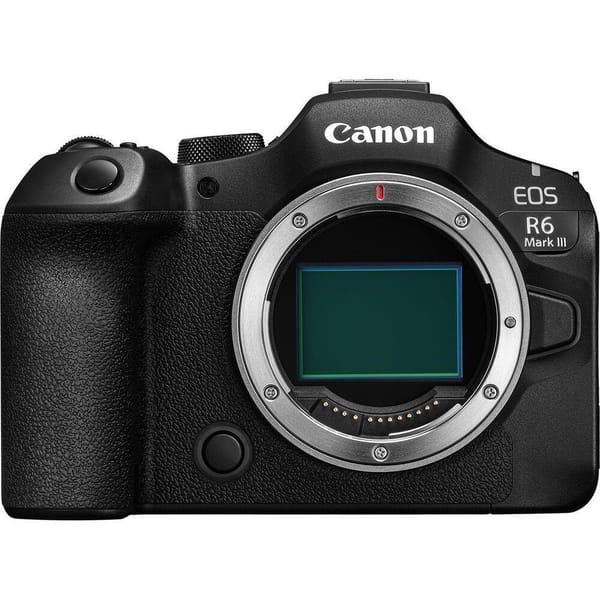
1. Canon EOS R6 Mark III
The Canon EOS R6 Mark III is usually seen as a camera that’s easy to use for portraits without needing to babysit every setting. It responds quickly, doesn’t lag in burst shooting, and lets you focus on the person in front of the lens. In real-world shooting, you feel it immediately — the camera doesn’t distract you or force you to check every shot.
Stability is crucial for portraits, and here it shows in reliable autofocus and predictable behavior under different lighting. It handles natural light well, isn’t afraid of tricky conditions, and leaves plenty of room for post-processing. The fully articulated screen helps when shooting from unusual angles, and stabilization makes handheld work easier — especially in calm portrait scenarios.
Key highlights:
Full-frame sensor
High burst shooting speed
In-body image stabilization
Fully articulated touchscreen
Dual memory card slots
Best for:
Portrait photographers with a fast-paced workflow
Those who frequently shoot handheld
Users already in the Canon RF ecosystem
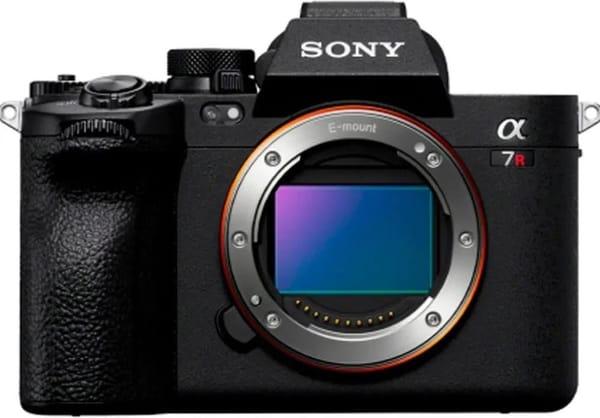
2. Sony Alpha 7R V
The Sony Alpha A7R V is usually a deliberate choice — people know exactly why they want that high resolution. In portrait photography, this camera shines when maximum detail matters — from skin texture to fine clothing elements. It’s not about speed; it’s about careful, thoughtful work.
While shooting, you can tell the camera is built for people who like to control every aspect of the frame. It’s excellent for studio or posed portraits where there’s time to fine-tune lighting and composition. Autofocus is reliable, but the camera itself encourages a calm pace rather than rapid bursts.
Key highlights:
High-resolution full-frame sensor
In-body image stabilization
Electronic viewfinder
Fully articulated touchscreen
RAW support
Best for:
Studio photographers
Those who heavily retouch portraits
People who prioritize maximum detail
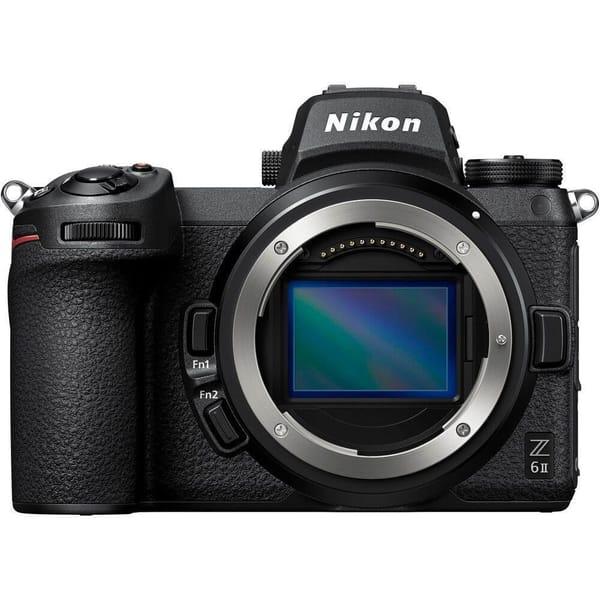
3. Nikon Z6 II
The Nikon Z6 II feels like a true working camera — no hype around specs. It doesn’t try to impress with numbers, but delivers balanced image quality and predictable behavior in portrait work. It’s great for long sessions where reliability and consistency matter most.
In portraits, the Z6 II is often loved for its calm color rendition and comfortable ergonomics. It feels good in the hand, the controls make sense, and dual card slots add confidence during paid shoots. It’s a choice for photographers who just want to shoot without constantly adjusting to the camera’s quirks.
Key highlights:
Full-frame sensor
In-body image stabilization
Dual memory card slots
Rugged body
Tilting screen
Best for:
Photographers who value consistency
Those who frequently shoot portraits on location
Users already in the Nikon Z system
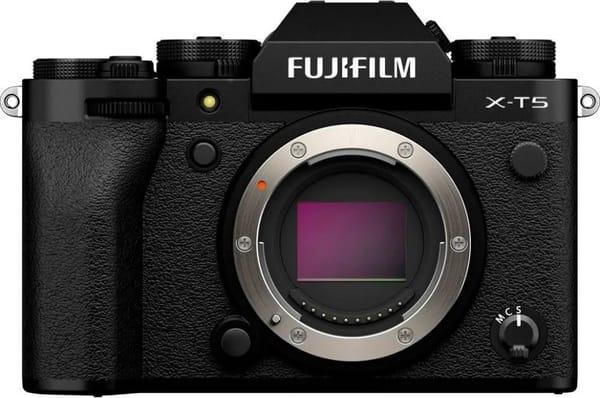
4. Fujifilm X-T5
The Fujifilm X-T5 is often chosen for its character rather than just its specs. Despite the APS-C sensor, it performs confidently in portrait work thanks to pleasing color science and an overall attractive rendering style. It doesn’t feel overloaded and is light — both physically and in use.
For portraits, the X-T5 works beautifully for street shooting and relaxed sessions. The camera doesn’t intimidate the subject with its size, which can actually matter. The tilting screen helps quickly change shooting angles, and stabilization makes natural-light handheld shooting easier.
Key highlights:
APS-C sensor
High resolution
In-body image stabilization
Compact body
Tilting screen
Best for:
Portrait photographers who shoot outdoors
Those who value color and atmosphere
People who don’t want a heavy camera
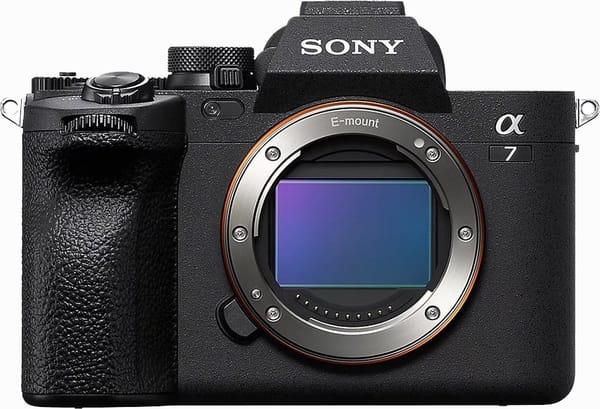
5. Sony Alpha A7 IV
The Sony Alpha A7 IV is often seen as a true all-rounder that performs confidently in portrait photography as well. It doesn’t require a long learning curve and quickly adapts to different tasks — perfect when portraits aren’t your only genre.
In real shooting, it behaves calmly and predictably. Autofocus locks onto faces reliably, and stabilization helps when shooting without a tripod. The camera doesn’t force a specific look and leaves plenty of creative freedom for working with light and composition.
Key highlights:
Full-frame sensor
In-body image stabilization
Fast autofocus
Dual memory card slots
Fully articulated screen
Best for:
All-round / hybrid photographers
Those who combine portraits with other genres
Users already in the Sony E-mount system
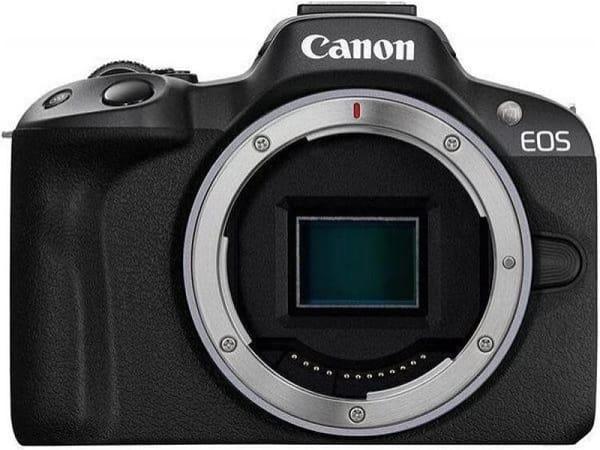
6. Canon EOS R50
The Canon EOS R50 feels like a logical first step for anyone just starting to explore portrait photography. It’s compact, straightforward, and not overloaded with complex menus that can overwhelm beginners. It lets you focus on the essentials — light, composition, and connecting with the person.
In portraits, the R50 delivers clean results under normal lighting. It’s a great learning camera, perfect for small sessions and everyday shooting. No deep experience is required — it’s an excellent gentle introduction to portrait photography.
Key highlights:
Compact body
APS-C sensor
Fully articulated touchscreen
RAW support
Canon RF mount
Best for:
Beginner photographers
People shooting portraits for personal projects
Users moving from smartphones to dedicated cameras
Conclusion
In 2026, choosing a camera for portrait photography has become calmer and more deliberate. Almost every modern model nails focus, handles skin tones decently, and provides enough quality headroom. The real differences are felt less in specs and more in how the camera behaves during actual shooting and how comfortable it is for long days behind the lens.
Some prioritize detail and the ability to heavily edit files later, others value a lightweight body and unobtrusive presence during a shoot, and for many the deciding factor is still a familiar system and lens lineup. There’s no universal choice — and that’s okay. A great portrait still begins with the connection between photographer and subject; gear simply helps you not miss that moment.
If the camera doesn’t get in the way, doesn’t distract, and delivers predictable results — it’s the right one. Everything else comes down to your style, habits, and how you see your portraits today — not what’s written in the spec sheet.